
To create an energy-efficient home, treat the house as one system: start with a home energy audit, seal air leaks and add insulation, set back the thermostat, upgrade or treat leaky windows, switch to LED lighting and choose ENERGY STAR appliances. Heating and cooling made up 52% of U.S. household energy use in 2020, according to the EIA, so the building shell comes first.
Key Takeaways
- Space heating and air conditioning accounted for 52% of a U.S. household’s annual energy use in 2020, the newest end-use figures from the U.S. Energy Information Administration (EIA).
- ENERGY STAR estimates that air sealing plus insulation saves homeowners an average of 15% on heating and cooling costs.
- The U.S. Department of Energy (DOE) says heat gain and loss through windows is responsible for 25%–30% of residential heating and cooling energy use.
- LEDs use up to 90% less energy and last up to 25 times longer than incandescent bulbs, according to a DOE fact sheet.
- The federal 25C and 25D home energy tax credits ended for property placed in service or expenditures made after December 31, 2025, according to the IRS.
Energy efficiency is a great short and long-term investment when it comes to designing a new home or remodeling an existing home. You can save energy and money while also creating an environment that you feel the most comfortable in. With so many options for home design, here are a few tips to help you create a more energy efficient home.
How to Build An Energy Efficient Home

Whole-house systems approach
To create an energy efficient home, start out by looking at the complete picture of your energy use. Many variables are under your control, such as whether you turn lights off when you leave a room, and many are not, such as the climate.
To take a whole-house systems approach, consider these variables as well as your home’s current or planned features, such as appliances, insulation, windows, air sealing and the heating and cooling system. If you focus on one element, such as insulation but neglect your windows, the savings will be smaller than if you consider both, along with the other factors, as a whole-house systems approach does.
Look for energy efficient appliances
If you are updating your appliances or choosing new ones, look for appliances that consume less energy, such as an ENERGY STAR certified clothes washer or a programmable or smart thermostat. According to ENERGY STAR, certified clothes washers use about 20% less energy and about 30% less water than regular washers. There are indeed many options for energy efficient appliances that help you save electricity. They may cost more upfront, and whether they pay for themselves depends on how much you use them and on local energy prices; ENERGY STAR estimates that a certified clothes washer can save about $530 in energy costs over its lifetime.
Improve insulation

Proper insulation, combined with air sealing, is one of the most effective upgrades for an energy efficient home: according to ENERGY STAR, homeowners can save an average of 15% on heating and cooling costs (or an average of 11% on total energy costs) by air sealing and adding insulation in attics, floors over crawl spaces and basements. Though it is one of the fundamental steps, it is often overlooked in the care of homes. If you do not have proper insulation, you could be running your heat during the winter and have no idea that your house is working way too hard to keep it warm. In this case, that means higher costs for you and a greater environmental toll.
Consider replacing your windows
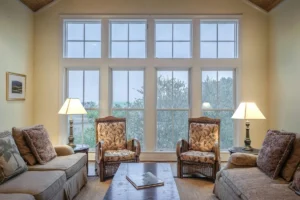
Your windows provide your home with light and ventilation, but they also affect your energy bill, for example when they leak air: according to the U.S. Department of Energy, heat gain and loss through windows is responsible for 25%–30% of residential heating and cooling energy use. In any new home or renovation, quality windows should be installed to help your home maintain its desired temperature. Home Service direct is one example of a home-services directory; whichever service you use, compare written quotes from several licensed, insured contractors before a window project.
Energy efficient options include double pane windows, vinyl or other insulating frames, low-emissivity (low-e) coatings and gas-filled glazing. The DOE suggests gas-filled windows with low-e coatings to reduce heat loss in colder climates, and windows with coatings that reduce heat gain in warmer climates. If you are renovating and need to keep your existing windows, you can improve them by adding weather-stripping, window treatments or coverings.
Use of blinds that have louvers or fins for windows
In addition to energy efficient windows, cut heat brought in by direct light with blinds. They reflect the heat away from your home and help maintain the desired temperature inside. This is especially helpful in the hot months to cut direct heat and avoid your air conditioning from working over time to compensate for heat brought in through windows.
Where Does the Energy in a Home Go?
Knowing where energy goes tells you which upgrades matter most. According to the EIA’s Residential Energy Consumption Survey (RECS) 2020, the newest survey with end-use figures, energy in a typical U.S. home was split as follows.
| End use | Share of annual household energy use (2020) |
|---|---|
| Space heating and air conditioning | 52% |
| Water heating, lighting and refrigeration | 25% |
| Other uses (TVs, cooking appliances, washers, dryers, electronics) | 23% |
The EIA began publishing preliminary results from its 2024 RECS in 2026, covering housing characteristics such as lighting; full end-use consumption figures from the 2024 survey had not been published as of October 2026. ENERGY STAR describes the same pattern in dollar terms: almost half of a household’s annual energy bill goes to heating and cooling, which it puts at more than $900 a year.
How Do You Make a Home Energy Efficient? A Step-by-Step Plan
The order below follows the whole-house systems approach: fix the building shell first, then the equipment that heats, cools and lights it.
- Get a home energy audit. An audit from a utility program or a qualified energy auditor finds air leaks, missing insulation and inefficient equipment, so money goes where the losses are largest.
- Seal air leaks. Seal gaps around windows, doors and other openings in the outer walls before adding insulation, because drafts bypass insulation.
- Add insulation. Prioritize the attic, floors over crawl spaces and basements, the areas behind ENERGY STAR’s 15% average heating and cooling saving estimate.
- Set back the thermostat. The New York State Energy Research and Development Authority (NYSERDA) estimates that each degree a thermostat is set back for 8 hours saves approximately 1% of the heating bill.
- Improve or treat windows. Weather-strip existing windows, or choose low-e, gas-filled units when replacing them.
- Switch to LED lighting. Replace bulbs that are lit three or more hours a day first, as the DOE recommends.
- Buy ENERGY STAR appliances when replacing old ones. Certified refrigerators are about 9% more energy efficient than models that only meet the federal minimum standard, according to ENERGY STAR.
- Shade windows in summer. Blinds, louvers and exterior shading cut the direct heat gain that makes air conditioning work harder.
Which Upgrades Save the Most Energy?
The table compares common upgrades using figures published by U.S. government programs. Actual savings depend on climate, the home’s condition and energy prices.
| Upgrade | What the source says | Source |
|---|---|---|
| Air sealing plus insulation | Average 15% saving on heating and cooling costs (about 11% of total energy costs) | ENERGY STAR (EPA) |
| Thermostat setback | About 1% of the heating bill saved per degree set back for 8 hours | NYSERDA |
| Better windows | Windows drive 25%–30% of residential heating and cooling energy use | U.S. DOE |
| LED bulbs | Up to 90% less energy and up to 25 times longer life than incandescent bulbs | U.S. DOE |
| ENERGY STAR clothes washer | About 20% less energy and 30% less water; about $530 lifetime energy savings | ENERGY STAR (EPA) |
| ENERGY STAR refrigerator | About 9% more efficient than the federal minimum standard | ENERGY STAR (EPA) |
Lighting: The Quickest Energy-Efficiency Win
Lighting accounts for about 15% of an average home’s electricity use, according to the DOE’s energy-efficient lighting fact sheet (2021). The same fact sheet says LEDs use up to 90% less energy and last up to 25 times longer than incandescent bulbs, and that most LEDs are dimmable.
Most U.S. homes have already started the switch. In preliminary 2024 RECS results, the EIA reported that 90% of U.S. households used LED bulbs and 37% used LED bulbs for all indoor lighting. For more low-cost ideas, see these practical ways to save electricity at home.
Thermostat Settings That Save Energy
A thermostat setback saves energy because a cooler house loses heat more slowly. NYSERDA’s thermostat savings worksheet explains that it costs less to warm up a cool house than to keep it at a constant higher temperature, and estimates savings of about 1% of the heating bill per degree of setback over 8 hours. A programmable or smart thermostat makes setbacks automatic during sleep or work hours.
Choosing Energy-Efficient Windows
Window choice depends on climate. The DOE suggests gas-filled windows with low-e coatings to reduce heat loss in colder climates and coated windows that reduce heat gain in warmer climates. When replacement is not in the budget, weather-stripping, window treatments and coverings improve existing windows. For a cost-and-savings comparison of glazing options, see this guide on whether triple-pane windows are worth the cost.
Are There Tax Credits for Energy-Efficient Home Upgrades?
The two main federal homeowner credits have ended. According to the IRS, the Energy Efficient Home Improvement Credit (section 25C) is not allowed for any property placed in service after December 31, 2025. The Residential Clean Energy Credit (section 25D), which covered home solar and similar systems, is not allowed for expenditures made after December 31, 2025. Both changes came from Public Law 119-21, signed on July 4, 2025.
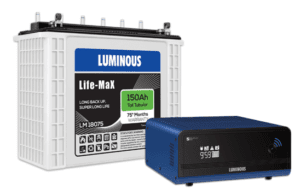
Utility companies and state energy offices may still offer rebates or audits, so check with your local utility before starting a project. Homeowners weighing renewable energy alongside efficiency upgrades can read about choosing a solar panel and battery system and how to choose the right solar inverter; efficiency upgrades usually come first, because a home that uses less energy needs a smaller system.
Common Mistakes to Avoid
- Insulating before air sealing: drafts bypass insulation, so seal leaks first.
- Upgrading one component in isolation: new windows in an uninsulated, leaky house deliver less than a whole-house plan.
- Expecting tax credits that have ended: the federal 25C and 25D credits do not apply to property placed in service, or expenditures made, after December 31, 2025, according to the IRS.
- Ignoring the label: look for the ENERGY STAR mark on appliances and bulbs, which shows the product meets EPA efficiency criteria.
- Hiring on price alone: compare written quotes from several licensed, insured contractors.
Frequently Asked Questions
What is the first step to making a home energy efficient?
The first step to making a home energy efficient is a home energy audit, which identifies air leaks, insulation gaps and inefficient equipment. Because heating and cooling made up 52% of U.S. household energy use in 2020 (EIA), the building shell is usually the priority.
How much can insulation and air sealing save?
Air sealing and insulation save homeowners an average of 15% on heating and cooling costs, or about 11% of total energy costs, according to ENERGY STAR. Savings vary with climate and the starting condition of the home.
Do energy-efficient windows really make a difference?
Yes. The U.S. Department of Energy says heat gain and loss through windows is responsible for 25%–30% of residential heating and cooling energy use, so low-e, gas-filled windows or weather-stripping on existing windows can reduce that loss.
How much energy do LED bulbs save?
LED bulbs use up to 90% less energy and last up to 25 times longer than incandescent bulbs, according to the DOE. Lighting accounts for about 15% of an average home’s electricity use.
Is the energy-efficient home improvement tax credit still available?
No. According to the IRS, the section 25C Energy Efficient Home Improvement Credit is not allowed for property placed in service after December 31, 2025, and the section 25D Residential Clean Energy Credit is not allowed for expenditures made after that date. Local utility rebates may still exist.


1 Comment
Hey Harshil,
Before you design a new home or remodel an existing one, consider investing in energy efficiency. You’ll save energy and money, and your home will be more comfortable and durable. The planning process is also a good time to look into a renewable energy system that can provide electricity, water heating, or space heating and cooling. You may also want to explore your options for financing an energy-efficient home.
In an existing house, the first step is to conduct a home energy assessment to find out how your home uses energy and determine the best ways to cut energy use and costs. Eventually, thanks for sharing your best tips regarding this subject.
With best regards,
Amar kumar