If you have ever had an experience with a septic backup, you will be aware that it is one of those problems that instantly messes up a peaceful day. One minute you are doing laundry, then the next minute you are asking yourself why the shower drain sounds like it’s gulping air. Septic systems are not complex, but sensitive, and the cleaning products that we use may make or break it.
Whether you’re maintaining a healthy system or bouncing back from a near-overflow scare, the right solution with septic system cleaning products can make all the difference. Here are some expert tips that keep your tank (and your sanity) in good shape.
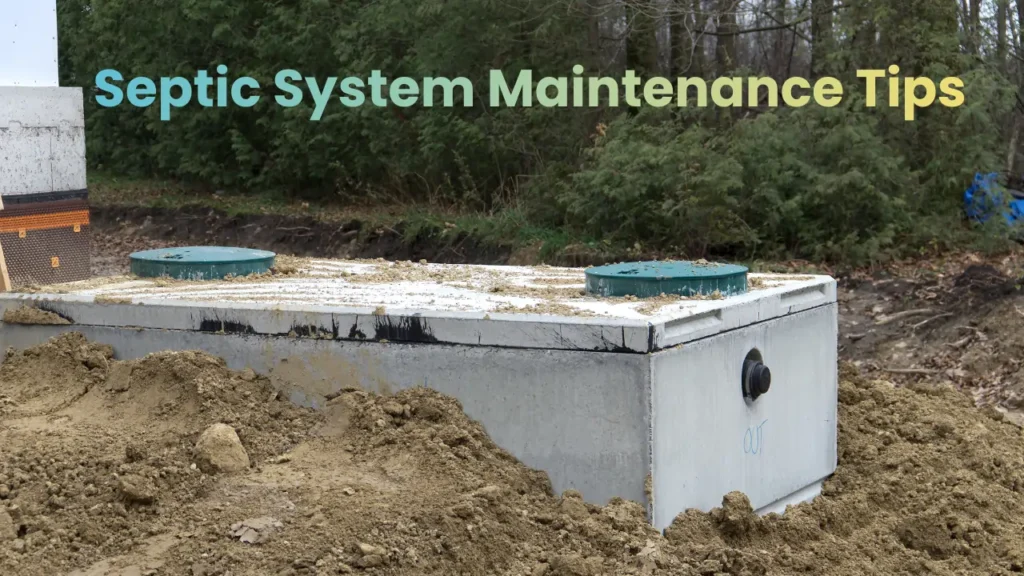
Tip 1: Know What Your Septic System Actually Needs
A septic system works by balancing bacteria, enzymes, and natural breakdown processes. It is necessary to know what you are attempting to fix before you use any of the products.
- Slow drains or gurgling pipes? It could be sludge buildup.
- Foul odours around the yard? It may indicate the saturation of drain fields.
- Too-frequent pump-outs? Your tank may be overloaded with solids.
Septic system cleaning products must co-exist with the natural biology of the system and not fight against it. The goal isn’t to “shock” the tank into submission, but to improve the already existing bacterial processes.
Tip 2: Choose Septic-Safe and Bacteria-Friendly Formulas
This is where many homeowners slip up. It is tempting to take the strongest septic system cleaning products off the shelf, the ones that boast about cutting through grease. However, harsh chemical formulas may kill the useful bacteria inside the tank.

Experts recommend bacterial or enzyme-based cleaners because they:
- Decompose organic waste easily and effectively.
- Assist in avoiding the movement of solids to the drain field.
- Maintain system stability when it is under high usage (think holidays).
Tip 3: Don’t Overuse Cleaners, More Isn’t Better
The notion that the more the cleaning, the cleaner the system is, is a common myth when it comes to septic care. That’s not how it works. Excessive use of septic products may destroy the equilibrium of bacteria or add extra components that burden the system.
A good baseline schedule that many homeowners follow is:
- Bacterial/enzyme cleaners: once every quarter (this also largely varies depending on the current state of your system).
- Drain-field safe formulations: every few months, depending on usage.
- Heavy-duty restorers: only when the system is already struggling.
Think of it this way: suppose you put yeast in bread-dough: a pinch of yeast will multiply it; but dump in the whole packet, and you end up with a lumpy, bubbling mess that spills over the bowl and takes over the counter. Septic systems respond the same way. When cleaning products are used in moderation, your system will thank you by not causing any problems.
Tip 4: Optimize Treatment Timing for Septic Systems
- After a Pump-Out (Wait 24 Hours): Your tank loses bacteria when sludge is removed. Allow 24 hours to pass for normal household use to fill the tank with organic matter, which bacteria need to attach and multiply on. With additives, it takes 1-2 weeks to recover, and naturally, within 4-8 weeks.
- Before Heavy-Use Periods (Plan 2-4 Weeks Ahead): Pump-outs should be arranged weeks before peak use, not days before. Treatment timing can’t overcome capacity limits like the holiday season or a lot of guests.
- For Drain Enzyme Cleaners (Evening Application): If you’re treating clogged drains (not the septic tank), apply enzymes after evening cleanup for 4-6 hours of undisturbed contact. Results show in 1-2 days. This drain timing does not apply to the septic tank additives, which are used on a continuous basis.
How to Get Rid of Cockroaches Naturally at Home.

Tip 5: Complement Cleaners with Smart Household Habits
Even the best septic product can’t compete with a house that unknowingly sabotages its own system. That’s why when septic system cleaning products are paired with good maintenance habits, they produce effective results.
Here are a few good habits to follow:
Watch Your Water Output
Septic systems don’t love being hit with a flood of water all at once. Wash clothes in shifts, repair running toilets, and do not do marathon dishwashing sessions.
Keep Grease and Oils Out of Drains
Grease is one of the biggest reasons septic system cleaning products fail. It becomes solid, floats, and ultimately enters the drain field. Wipe pans with greasy residue rather than washing, and do not pour cooking oil into the sink.
Be Careful With Household Chemicals
Bleach, drain openers, chemical degreasers, and antibacterial soaps can suppress the microbial action in your system. Use them in small amounts or alternate them with septic-safe ones.
Protect the Drain-Field
No parking cars, plantation of trees, and establishment of heavy garden structures on top of the drain field. Squeezed soil results in ineffective absorption.
Tip 6: Know When to Use Heavy-Duty Solutions
Not every issue can be solved with routine enzyme drops. If you’re experiencing:
- Recurring sewage smells.
- Persistently slow drains.
- Lush green grass only over the drain field.
- Backups after recent pump-outs.
Then you might require a more aggressive septic cleaner that will dislodge biomat, heavy soil, or tough sludge. These are not products that should be used every day; they’re more like calling in a specialist when general advice won’t cut it.
 Advantages of Using Mesh Screen Door
Tip 7: Don’t Skip Professional Oversight
Septic cleaning products are helpful, but they’re supplements, not substitutes. Having a professional check-up periodically (once every few years) assists in discovering structural problems, root intrusions, saturation of the drain field, or tank cracks; issues that no cleaner can resolve.
Conclusion
Septic system cleaning products are not really that hard to use. It primarily has to do with knowing your system, choosing gentle and biologically compatible formulas, and using them at the right frequency and timing.
The best formula is:
- Routine pumping + smart habits + septic-safe cleaners = long-lasting system health.
With some clever habits and a bit of discipline, homeowners can prolong the stability of their systems, avoid messy backups, and keep everything flowing exactly the way it should.