Electrical wiring helps move power safely through homes, workplaces and industrial spaces. The choice of wire can influence electrical performance and how an installation responds to heat and fire. This makes wires an important part of planning systems where safety, reliability and operating conditions need to be considered for reliable long-term system performance.
Different wiring needs
Wiring requirements can vary with the setting and demands placed on an installation. Factors such as conductor size, insulation, current-carrying capacity, installation method and surrounding conditions can influence the type of wires required. The choice should reflect how the wiring will be used rather than focusing on a single characteristic.
Fire behaviour also matters in spaces where smoke generation can affect visibility during an emergency. This makes insulation behaviour another relevant factor during wire selection. Flame spread and smoke generation can affect conditions inside an enclosed area, making the properties of the insulation relevant when evaluating wiring options.
The FRLSH approach
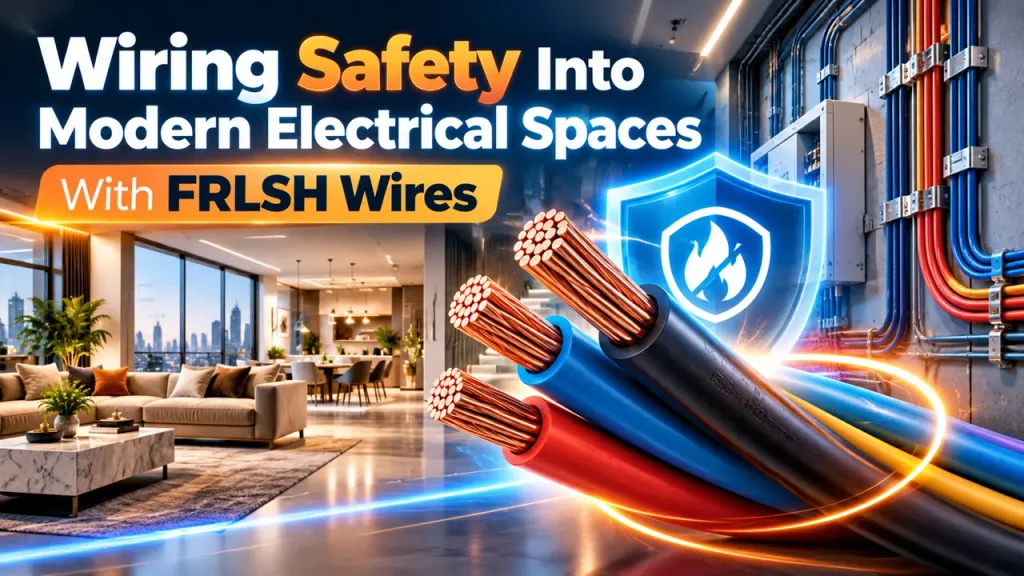
FRLSH wires are made to slow the spread of flame and produce less smoke during a fire. FRLSH stands for Flame Retardant Low Smoke Halogen, referring to the characteristics associated with this type of wire. The insulation suits applications where limiting smoke and supporting fire safety matter.
These properties make FRLSH wires suitable for a range of settings across homes, commercial spaces and industrial spaces. In the event of a fire, lower smoke levels can help keep visibility clearer, while flame-retardant properties are intended to slow the spread of fire along the wiring.
Looking at insulation
Insulation does more than keep the conductor separated from other electrical paths. The material used and the way it is constructed can affect how a wire responds when exposed to heat or fire. With FRLSH wires, these characteristics are particularly relevant because the insulation is intended to help control flame spread and reduce smoke generation.
Other factors, including current-carrying capacity, conductor resistance, insulation thickness and installation conditions, also influence how the wire performs. Considering these aspects alongside fire-related properties gives a clearer basis for assessing suitability.
Planning the installation
The surrounding installation should also be considered before selecting a wire. Wires may be routed through conduits, trunking or other enclosed spaces, where heat, grouping and accessibility can affect operating conditions. The installation method should match the wire’s specifications and the requirements of the electrical system.
Technical documentation can help confirm the relevant properties of the wire. Information on insulation, electrical performance and installation conditions helps assess whether a construction suits the intended application.
Conclusion
When it comes to electricity, true safety goes way beyond just getting power to your devices. The specific wires and insulation used in your walls make a massive difference if things ever get too hot. They are specially designed to slow down the spread of flames and cut down on dangerous smoke.
Considering these characteristics alongside electrical ratings, installation methods and environmental conditions can help create a more informed basis for wire selection. This balanced approach supports electrical systems that are designed around both everyday performance and the safety requirements.