Updated September 2026: this guide was first written in 2018. We have corrected what it said about income, the debt-to-income ratio and credit inquiries, which do not affect a FICO Score the way the original described, and added the seventh tip that the title always promised. Figures come from FICO’s own consumer guidance and from US federal consumer agencies.
There are a number of reasons you might have a bad credit score, from the loss of a job, unpaid medical bills, or just plain old bad luck. Once you get back on your feet financially, you will want to build your credit again. But when you are starting from the bottom, how do you improve your credit score?
The short answer: pay every bill on time, keep your credit card balances low compared with your limits, and apply for new credit only when you need it. Payment history and amounts owed together make up about 65% of a FICO Score, so those two habits matter most.
Simple Ways to Boost Your Credit Score
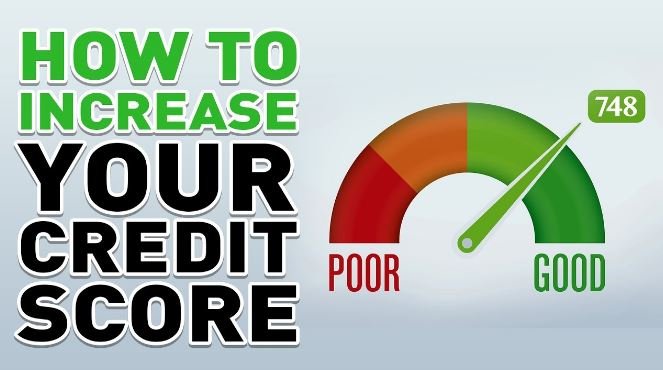
It’s actually not that hard when you understand how the credit systems work and how credit scores are calculated.
A FICO Score is built from five kinds of information in your credit report. How much you earn is not one of them: FICO calculates the score only from the information in your credit report, and your income is not on it. Lenders may still ask about your income when you apply for credit, but that is part of their lending decision, not your score.
| What a FICO Score looks at | Share of the score | In plain terms |
|---|---|---|
| Payment history | 35% | Whether you have paid your accounts on time |
| Amounts owed | 30% | How much of your available credit you are using |
| Length of credit history | 15% | How long your accounts have been open |
| New credit | 10% | Recent applications and newly opened accounts |
| Credit mix | 10% | The variety of credit you hold |
So once you are climbing your way out of trouble, here are seven easy ways to improve your credit score.
1] Pay Down Debt
The first key is to pay down debt. In other words, take what you owe now and pay it off. There are a few methods for doing this. One is to tackle the debt with the highest interest rate first, which saves you the most in interest. The second is to work on smaller debts first, and “snowball” the money you have to pay debt off each month into getting rid of larger debts.
Either way the key is to have a plan, have clear goals, and stick with working toward paying down your debt to a reasonable level.
2] Get A Secured Credit Card
Depending on your credit situation, you might not qualify for a regular credit card, but you can get a secured card. With a secured card you pay a refundable cash security deposit, and the card’s credit limit is usually equal to that deposit, so a larger deposit means a higher limit.
If you use this card properly, often the issuing company will then issue you a card with an actual limit that is unsecured. This is a good way to start building your credit score again, and these cards are relatively easy to get.
3] Take Out a Small Loan
Once you have enough credit established, you can often get a small loan. At first, if you have bad credit, this loan will carry with it a high interest rate, but if you shop around you might find a personal loan that is reasonable.
Take out a small loan at first and pay it off on time. Start with something easy with low payments that you can afford. That way you are sure not to make payments late or worse to have to default on the loan and hurt your credit more.
4] Pay Bills on Time
The other rather simple way to build your credit is to pay your bills on time. Payment history is the largest single part of a FICO Score, at 35%. Credit card and loan payments are reported to the credit bureaus, so stay current with all of them, and stay current with student loans because those are just as important as other debts.
Other bills work differently. Most utility companies do not report your payment history to the credit bureaus at all, but a utility bill that goes unpaid and is sent to a collection agency can appear on your credit reports. Rent is handled in different ways by the three bureaus; on-time rent can help build your credit if your landlord takes part in a rent-reporting program. Paying all of these on time also affects what you pay for deposits, future interest rates, and even buying a home or finding a place to rent.
Remember, besides paying down debt, a good payment history is the foundation of your credit score, so be especially careful to pay your bills in a timely manner and early if possible.
5] Don’t Over Apply
Each application for credit usually triggers a “hard” inquiry on your credit report. The effect is smaller than many people fear: for most people, one additional inquiry takes less than five points off their FICO Scores. Inquiries stay on your report for up to two years but only affect your FICO Scores for one year.
Shopping around for a mortgage, auto loan or student loan is treated more gently. FICO Scores ignore those inquiries if they were made in the 30 days before the score is calculated, so comparing rates over a short period will not count against you. Checking your own credit report is a “soft” inquiry and does not affect your score at all.
Several applications in a short time still add up, though. You should only apply for the credit that you need and can afford, or credit you know will help build your credit score. Don’t apply just because an application shows up in your mailbox or email. In fact, when possible opt out of these offers to avoid temptation.
6] Keep Your Balances Low
The second-biggest part of a FICO Score, amounts owed, looks at how much of your available credit you are using, often called your credit utilization. FICO notes that using a lot of your available credit can suggest you are overextended. A common guideline is to keep it below 30%. So if you have a credit limit of $1,000 on a credit card, your balance should stay at or below $300.
This means you should be very careful about “maxing out” cards or even being close to the limits. High balances can actively harm your credit score, and bringing them down is one of the quickest ways to help it recover.
Your debt-to-income ratio is a different measure. It is your monthly debt payments divided by your monthly income, and lenders use it when they consider a loan application. Because it depends on your income, it is not part of your FICO Score, but it still decides whether you are approved. As a budgeting target, try to keep your monthly payments on credit card and other debt under about 25% of your income, just as your housing costs should not be more than a third of your monthly income.
7] Check Your Credit Reports for Errors
A mistake on your credit report can drag your score down through no fault of your own. In the US you can get a free copy of your report from each of the three nationwide credit bureaus, Equifax, Experian and TransUnion, every week at AnnualCreditReport.com, the only official site directed by federal law to provide them. The bureaus made the weekly reports permanent in 2023.
Look for accounts you do not recognize, payments wrongly marked as late, and balances that are out of date. If you find an error, dispute it in writing with the credit bureau, explaining what is wrong and including copies of any documents that support your case, and contact the company that supplied the information as well. The bureau generally has 30 days to investigate.
Improving your credit score is not hard once you understand how the system works, and if you use it properly. Just be careful to not borrow more than you can afford, and keep your payments reasonable. A better score pays off in many ways, as our guide to the benefits of an excellent credit score explains. You don’t want to go backwards with your credit score, but only work to make it better.
Frequently Asked Questions
Does my income affect my credit score?
No. FICO calculates your score only from the information in your credit report, and your income is not on it. Lenders may ask about your income separately when you apply for credit.
How many points does a hard inquiry take off my score?
For most people, one additional inquiry takes less than five points off their FICO Scores, and it affects the score for one year.
Does checking my own credit lower my score?
No. Viewing your own credit report is a soft inquiry and does not affect your FICO Scores.
This guide describes FICO Scores in the United States; other countries use different credit bureaus and scoring models. Sources: myFICO, “What’s in my FICO Scores” and “Credit checks and inquiries”; US Federal Trade Commission, free weekly credit reports (October 2023) and disputing errors on credit reports; US Consumer Financial Protection Bureau, secured credit cards, utility and rent reporting, and debt-to-income ratios. This article is general information, not financial advice.