Buying a used truck can be one of the smartest financial decisions you make. You get the power and utility of a full-sized truck without the steep depreciation that comes with purchasing brand new.
But used trucks come with history, and that history isn’t always kind. Whether you’re hauling equipment, towing trailers, or simply need a reliable daily driver, making the right choice requires more than just a test drive around the block.

Here are seven essential things to consider before signing on the dotted line.
Set a Realistic Budget
Before you even start browsing listings, know exactly what you can afford. Factor in not just the purchase price, but insurance, fuel, registration fees, and potential repairs.
Used trucks can vary wildly in price depending on make, model, mileage, and condition. Having a firm budget prevents you from falling in love with a truck that quietly drains your bank account over time.
Determine Your Actual Needs
Trucks are built for different purposes, and buying the wrong one is a costly mistake. Ask yourself what you genuinely need — are you towing heavy loads, off-roading, or mostly commuting?
A half-ton truck like a Ford F-150 handles most everyday tasks, while a heavy-duty truck like a Ram 2500 is built for serious hauling. Matching the truck to your lifestyle saves money and prevents unnecessary mechanical wear down the road.
Research Common Mechanical Issues for That Model
Every truck model has its quirks and known problem areas. Some trucks are notorious for transmission failures at high mileage, while others develop expensive frame rust or oil consumption issues after years of use.

Spend time reading owner forums and reliability reports specific to the year and model you’re considering. Knowing what to look out for puts you in a far stronger position when inspecting the truck or negotiating the price with a seller.
Check the Truck’s Accident Record
“Truck accidents happen far too often because of negligent drivers — people who exceed load limits, skip vehicle maintenance, or operate trucks while fatigued or distracted,” says Morris Injury Law, a Las Vegas truck accident attorney. When a truck is involved in a collision due to poor vehicle management or reckless behavior, the damage inflicted on the truck’s frame, suspension, and drivetrain can be severe and long-lasting.
Buying a truck without knowing its accident history means you could unknowingly inherit those consequences. Worse, if that same truck develops mechanical failures from prior accident damage and you’ve neglected to address them, you risk becoming a negligent owner yourself — legally and morally responsible for whatever happens next on the road.
This is why pulling a full vehicle history report through services like Carfax or AutoCheck is non-negotiable. These reports reveal past collisions, the severity of reported damage, and whether the truck was ever declared a total loss by an insurance company.
Even if a truck looks pristine on the outside, accident damage can hide in places a casual glance won’t catch. Have a trusted mechanic inspect the frame for welds or misalignment, and check that all panels and gaps are consistent — telltale signs of prior bodywork after a serious impact.
Inspect the Frame and Undercarriage
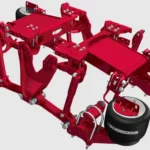
The frame is the backbone of any truck, and damage or rust here is a serious red flag. Unlike a car, a truck’s frame takes enormous stress from towing, hauling, and off-road use, making its structural integrity absolutely critical.
Get underneath the truck and look for visible rust, especially along the frame rails and crossmembers. Surface rust is manageable, but deep rust that flakes when scraped or shows visible pitting can compromise the entire vehicle’s safety and structural strength over time.
Evaluate the Engine and Transmission Carefully
The engine and transmission are the most expensive components to repair or replace on any truck. A failing transmission can cost several thousand dollars to rebuild, and a worn engine isn’t far behind in terms of financial pain.
During your test drive, pay attention to how smoothly the transmission shifts, particularly under load or when coming to a stop. Listen for knocking sounds from the engine, check for excessive exhaust smoke, and always verify the oil condition. A clean oil level suggests an owner who took maintenance seriously.
Consider Ownership and Maintenance History
A truck with detailed service records is worth its weight in gold. When a seller can hand you receipts showing regular oil changes, fluid flushes, and timely repairs, it tells you a story about how the vehicle was treated throughout its life.
On the other hand, a truck with no documentation should raise immediate questions. It doesn’t automatically mean the truck was neglected, but you’ll need to be more thorough in your inspection and potentially more aggressive in negotiating the price to account for the unknown risk.

Ask the seller directly how many owners the truck has had and what it was primarily used for. A truck that spent years on a farm hauling heavy loads every single day has lived a very different life than one used occasionally for weekend errands and light towing.
Final Thoughts
Buying a used truck is genuinely exciting, but it rewards patience and thoroughness above everything else. The best deals go to buyers who do their homework, ask the right questions, and refuse to let a shiny exterior distract them from the details that truly matter.
Take your time with the accident record check, invest in a pre-purchase inspection from a qualified mechanic, and never skip the test drive under real-world conditions. Load it up, tow something if possible, and push the truck through the kind of use it will face in your actual daily life.
A used truck that checks all the right boxes will serve you faithfully for years. One purchased in haste, without proper due diligence, can become an expensive headache that no amount of horsepower makes worth it.
Do the work upfront, and the right truck will make itself obvious.