Buying a tractor in India is not just about horsepower. It is about how your land is shaped, what jobs you do every week, who drives the machine, and how easily you can service it in your district. This guide breaks down the real differences between a compact tractor and a utility tractor, so you can choose with clarity and avoid paying for capacity you will not use.
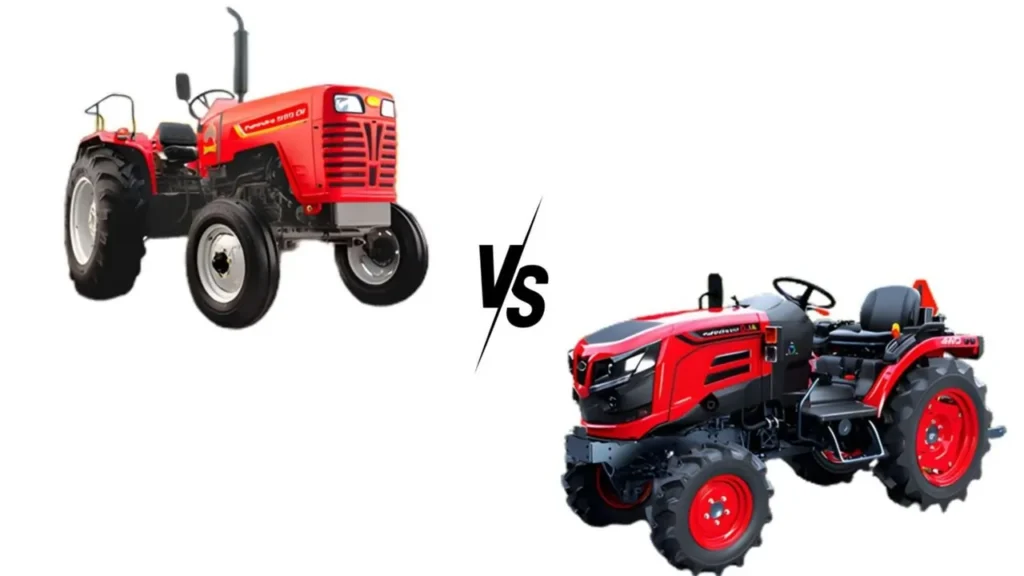
What “compact” and “utility” really mean
A compact tractor is a smaller, lighter machine built for tight spaces and mixed tasks. Think small farms, orchards, polyhouse work, dairy fodder handling, and light transport. A utility tractor is the everyday workhorse for heavier field operations, longer hours, and larger implements. The names vary by brand, but the idea is consistent: compact focuses on manoeuvrability; utility focuses on pull and endurance.
Typical operating range in India
While models differ, the usual ranges look like this:
- Compact tractor: roughly 18–40 HP, lighter chassis, shorter wheelbase.
- Utility tractor: roughly 40–100 HP, heavier build, more torque and lift.
If your work frequently involves deep tillage, heavy trailers, or large rotavators, the extra weight of a utility tractor matters as much as the power.
Land size and layout: the first filter
Start with where the tractor will actually move.
A compact tractor shines when:
- Row spacing is tight (orchards, vineyards, nurseries).
- Field entrances are narrow, and turning space is limited.
- You have mixed plots rather than one large block.
- The tractor also does yard work: loading, feeding, spraying, sweeping.
A utility tractor fits better when:

- Your fields are open, and turning is easy.
- You run long straight passes and want faster coverage.
- Soil is heavy and traction becomes the limiting factor.
- Your season has long working days and hard pulls.
Implements and PTO work: match the machine to the tool
Tractors earn their keep through implements. The key checks are PTO power, hydraulic flow, and lift capacity.
A compact tractor commonly pairs well with:
- 4-5 ft rotavator (depending on soil and model).
- Inter-cultivator, ridger, small seed drill.
- Orchard sprayer, light mulcher, small reaper attachment.
- Front loader for manure, compost, and bag handling.
Utility tractors handle:
- Larger rotavators and heavier cultivators.
- Disc plough, harrow, subsoiler in tougher soil.
- Bigger balers, larger sprayers, and higher-capacity trailers.
- Multiple operations in a single day without overheating or strain.
If you already own implements, list their working width and weight. A mismatch forces you to drive slower, makes fuel use jump, and increases wear on the clutch and tyres.
Best Farm Tractors in the World.
Traction, stability, and soil compaction
A lighter compact tractor is kinder on soft soil and lawn-like surfaces around a farmhouse, but it can lose grip in wet clay or on slopes with a loaded trailer. A utility tractor’s heavier rear end improves traction and stability, especially for haulage and tillage. The trade-off is compaction: in paddy belts or light sandy soils, excessive weight can reduce soil porosity and hurt root growth.
A simple way to think about it:
- Need grip for pulling? Utility wins.
- Need lower ground pressure and nimble movement? Compact tractor wins.
Transmission and ease of driving
In India, many buyers still prefer reliable gear transmissions for field work, but compact models often offer user-friendly options such as shuttle shifts or hydrostatic systems in some segments. If multiple family members drive the tractor, ease of operation becomes a safety issue, not a luxury. Look for:

- Smooth clutch and clear gear gates.
- Power steering (almost essential now).
- Good visibility to the implement and front wheels.
- Comfortable pedals and seat for long hours.
Fuel and running costs
A smaller engine may sip less fuel, but fuel economy depends on load. If you push a small tractor at full throttle all day, the advantage disappears. The healthier approach is to choose a tractor that does your heaviest routine job at a comfortable, steady load.
Also, remember India-specific ownership costs:
- Tyre replacement and tube availability in local markets.
- Service reach: authorised workshop distance and parts stock.
- Resale demand in your region (some districts prefer specific HP bands).
How to judge tractor price without getting trapped
Most buyers start with the tractor price, but a smarter comparison is “price per usable hour.” Two tractors with similar stickers can differ a lot in what they deliver over five years. When you compare tractor prices, ask these questions:
- What is included: weights, top link, drawbar, canopy, trolley hook?
- Warranty terms: hours, years, and what labour covers
- Finance cost: interest rate, processing fee, insurance, and hypothecation charges
- Maintenance schedule: filter and oil intervals, and typical service bills
Dealers often quote ex-showroom. Your on-road figure can change after registration, accessories, and insurance, so get the full written breakup.
Comfort, safety, and fatigue
Compact machines are easier to mount and dismount, and can feel less intimidating. Utility tractors often ride better in rough fields due to wheelbase and weight, but can be tiring if the steering is heavy or the seat is basic. Prioritise:

- ROPS and seat belt if available.
- Stable stance for slope work.
- Effective brakes, especially if you haul on roads.
Many accidents happen during transport, not in the field.
Who should buy a compact tractor?
Choose a compact tractor if most of your work looks like this:
- 1-10 acres of mixed cropping, horticulture, or dairy-linked chores.
- Frequent loader use, orchard spraying, or light tillage.
- Narrow paths, village lanes, and tight shed areas.
- You value easy handling and a lower overall footprint.
You will still get strong utility if you select the right tyres, add ballast where needed, and avoid oversizing implements.
Who should buy a utility tractor?
A utility tractor is the better fit when:
- You regularly work 10 acres and above, or do custom hiring.
- Deep tillage and heavy haulage are common.
- Implements are wider, heavier, or run continuously on PTO.
- You want higher lift capacity and a tractor that feels planted.
If your income depends on timely field operations across seasons, the durability margin is worth it.
Best Tractors Brand in the World.
A quick decision framework
If you are stuck between two options, run these three checks:
- Heaviest job test: pick the tractor that handles your toughest routine job without strain.
- Turning test: imagine the tightest corner on your farm, and whether you can turn with an implement attached.
- Service test: choose the tractorthat your nearest reliable workshop can support quickly during peak season.
Before booking, take a test run with the implement you will use most. Check steering play, clutch bite, hydraulic response, and noise. Involve the driver.

Tractor Manufacturing Companies In India.
Final thoughts
Both segments can be excellent investments when chosen for the right work. A compact tractor is ideal for manoeuvrability, mixed duties, and lighter implements. A utility tractor is built for heavier field work, traction, and long operating hours. Start from your land and your implements, then bring in financing and tractor price as the final filter. When the machine fits your daily reality, the numbers usually make sense too.