

A light-duty truck can support several small service businesses: local delivery for shops, courier work, light towing, and garden maintenance with waste removal. In the UK, vehicles up to 3,500 kg maximum authorised mass can be driven on a standard category B licence, and carrying customers’ waste requires waste carrier registration with the relevant environment agency.
Key Takeaways
- Light-duty trucks cover US Classes 1 to 3 (up to 14,000 lb gross vehicle weight rating); in the UK a category B licence covers vehicles up to 3,500 kg maximum authorised mass.
- A goods vehicle operator licence is needed in the UK for vehicles over 3,500 kg gross plated weight, and for vans over 2,500 kg carrying goods for hire or reward in Europe.
- Removing garden or household waste for customers means registering as a waste carrier; in England a new registration costs £191.02, as of October 2026.
- Registering a limited company online with Companies House costs £100, and sole traders must register for Self Assessment once they earn more than £1,000 in a tax year.
- Towing capacity varies widely by model, so always work within the figures on the vehicle’s plate and in its handbook.
There is a wide range of business opportunities you can venture in if you own a truck. Light-duty trucks are pickups and small trucks built to carry moderate loads and tow trailers. In the US, the light-duty category covers truck Classes 1 to 3, up to 14,000 lb (6,350 kg) gross vehicle weight rating; in the UK, vehicles up to 3,500 kg maximum authorised mass can be driven on an ordinary category B car licence.
With enough payload and towing capacity for tools, materials and trailers, a light-duty truck can support several kinds of service business.
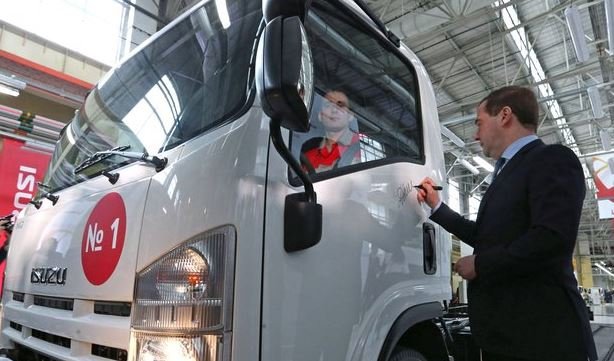
Here are practical ideas for using a light-duty truck to start a business, followed by the licences, registrations and costs to check first.
Delivery services
A small truck that is well equipped with a shell over the bed or an attached trailer offers a spacious and secure storage room for consumer goods such as small appliances, furniture, gardening tools and other household supplies. With a well-maintained truck, customers will be reassured that their loads are well handled and delivered safely.
To get into the delivery service business, you first need to contract independent small businesses in your area such as hardware stores, groceries, home depots and furniture stores among others. Many such businesses may be open to a partnership in which you deliver goods to their customers.
Alternatively, you can start a courier business whereby you deliver everything from letters to large boxes or packages for individuals or large corporations. Note that in the UK, carrying goods in a vehicle with a gross plated weight over 3,500 kg requires a goods vehicle operator licence, and local rules may also apply, so check with your council.
Choosing a business structure is another early step: in the UK you can trade as a sole trader or register a limited company with Companies House yourself (an online company formation agent can also handle it), as explained here.
Towing services
Both a full sized truck and a compact light duty truck can be used for hauling services. Towing capacity varies widely by model: the compact Ford Maverick, for example, is rated to tow 2,000 lb (910 kg) as standard and 4,000 lb (1,800 kg) with its optional tow package, while the full-size Ford F-150 PowerBoost hybrid is rated up to 12,700 lb (5,800 kg).
Focusing on residential and small business customers keeps jobs within a light-duty truck’s limits, which helps the business stay profitable and the truck last longer.

Larger commercial jobs often exceed what a light-duty truck is rated to handle, and taking them risks damaging the vehicle and exceeding its plated weight limits.
Working the yard or cleaning services
If you are handy and enjoy outdoor work, a light-duty truck can be a significant boost to a landscaping business offering cleanup services and yard maintenance.
You could provide a wide range of services including mowing, weeding, mulching and pruning using your truck to carry the tools of the trade and other maintenance equipment that you may need.
You could also use the same vehicle to haul away yard waste, but in the UK transporting customers’ waste requires registration as a waste carrier (registration is usually free only if you transport waste you produce yourself).
Many people across the UK dislike yard work or keep putting it off, which creates demand for local garden help. Your services will be welcomed by many.
As these examples show, light-duty trucks open up a range of business opportunities. Whether buying one is worthwhile depends on local demand, running costs and the licences and insurance each service needs, so cost out a simple plan before you buy.
There are various ways you can get a lightweight truck in the UK. Light trucks come in a variety of models for different prices with each providing unique features to fit your needs.
Moreover, you can get financed to acquire a truck. Compare hire purchase, leasing and business loan offers, and check the total amount repayable rather than only the monthly payment.
Which Light-Duty Truck Business Should You Start?
The right light-duty truck business depends on your licence, your vehicle’s ratings and the registrations each service needs. The table below compares the ideas covered above using UK rules as of October 2026.
| Business idea | Typical customers | Key UK requirement to check |
|---|---|---|
| Local delivery | Hardware, grocery and furniture shops | Operator licence only if the vehicle’s gross plated weight is over 3,500 kg |
| Courier service | Individuals and businesses | Operator licence for vans over 2,500 kg MAM carrying goods for hire or reward in Europe |
| Light towing | Residential and small business customers | Category B allows a trailer up to 3,500 kg MAM, with a combined maximum of 7,000 kg |
| Garden maintenance and waste removal | Households and landlords | Waste carrier registration (£191.02 in England) |
What Licences Do You Need to Run a Truck Business in the UK?
The licences for a UK light-duty truck business depend on vehicle weight and what you carry. According to GOV.UK, the main rules are:
- Driving licence: a category B licence (test passed on or after 1 January 1997) covers vehicles up to 3,500 kg MAM. Category C1 is needed for vehicles between 3,500 kg and 7,500 kg.
- Towing: category B drivers can tow a trailer up to 3,500 kg MAM, provided the combined MAM of vehicle and trailer does not exceed 7,000 kg. Trailers over 750 kg MAM must have working brakes.
- Goods vehicle operator licence: required for a vehicle, or vehicle and trailer combination, with a gross plated weight over 3,500 kg.
- Waste carrier registration: required for any business that transports waste. In England it is handled by the Environment Agency; Wales, Scotland and Northern Ireland have separate processes through Natural Resources Wales, SEPA and DAERA.
According to GOV.UK, a vehicle’s MAM is listed in the owner’s manual and is normally shown on a plate or sticker fitted to the vehicle or trailer.
How Much Does It Cost to Register a Truck Business in the UK?
The official registration costs for a UK truck business are modest compared with the vehicle itself. These fees are from GOV.UK as of October 2026:
| Registration | Official fee | Notes |
|---|---|---|
| Limited company (online, Companies House) | £100 | Usually registered within 24 hours |
| Limited company (by post) | £124 | Takes 8 to 10 days |
| Sole trader Self Assessment registration | No fee listed | Required once you earn more than £1,000 in a tax year |
| Waste carrier registration (England) | £191.02 | Usually free if you only carry waste you produce yourself |
| Upper tier waste carrier renewal (England) | £130.25 | Every 3 years; lower tier registrations do not need renewing |
VAT registration becomes compulsory once taxable turnover for the last 12 months goes over £90,000, the VAT threshold listed by GOV.UK as of October 2026.
How to Start a Light-Duty Truck Business: Step by Step
- Pick one service. Choose delivery, courier, towing or garden work based on local demand and your truck’s payload and towing ratings.
- Check your licence. Confirm your driving licence category covers the vehicle and any trailer you plan to use.
- Choose a structure. Register for Self Assessment as a sole trader or form a limited company; our guide to common company formation mistakes covers the pitfalls.
- Register where required. Apply for waste carrier registration before carrying customers’ waste, and for an operator licence if your vehicle’s gross plated weight is over 3,500 kg.
- Arrange insurance. Tell your insurer the vehicle will be used for business, because a personal motor policy may not cover commercial work.
- Prepare the truck. If you are buying, read our checklist of things to consider when buying a used truck, and consider truck accessories that improve longevity.
- Market locally. Contact nearby shops and landlords, and consider a vehicle wrap as mobile advertising.
For towing work, our overview of different types of tow trucks explains which jobs call for heavier recovery equipment than a light-duty pickup provides.
Frequently Asked Questions
What counts as a light-duty truck?
A light-duty truck is a pickup or small truck in US Classes 1 to 3, with a gross vehicle weight rating of up to 14,000 lb (6,350 kg). Class 1 covers up to 6,000 lb, Class 2 covers 6,001 to 10,000 lb, and Class 3 covers 10,001 to 14,000 lb.
Can I drive a light truck for business on a normal car licence in the UK?
Yes, if the vehicle’s maximum authorised mass is no more than 3,500 kg and you passed your test on or after 1 January 1997, a category B licence covers it. Vehicles between 3,500 kg and 7,500 kg require a category C1 licence.
Do I need an operator licence for a pickup delivery business?
A UK goods vehicle operator licence is needed when the vehicle, or vehicle and trailer combination, has a gross plated weight over 3,500 kg. For carrying other people’s goods for hire or reward in Europe, the threshold for vans is a maximum authorised mass over 2,500 kg.
Do I need a licence to remove garden waste with my truck?
Yes. Any business that transports waste must register as a waste carrier, and failing to register can lead to an unlimited fine. In England, registration costs £191.02 as of October 2026, and it is usually free only if you carry waste you produce yourself.
How much can a light-duty truck tow?
Towing capacity depends on the model. The Ford Maverick is rated at 2,000 lb as standard and 4,000 lb with its optional tow package, while the Ford F-150 PowerBoost hybrid is rated up to 12,700 lb. In the UK, a category B licence limits trailers to 3,500 kg MAM.

Justwebworld has published guides since 2012. How we write and update articles Report an error
