The Indian two-wheeler market is undergoing a rapid transformation, with electric scooters becoming a preferred choice for urban and semi-urban commuters. Rising fuel costs, expanding charging infrastructure, and improved battery technology have made electric mobility more practical than ever.
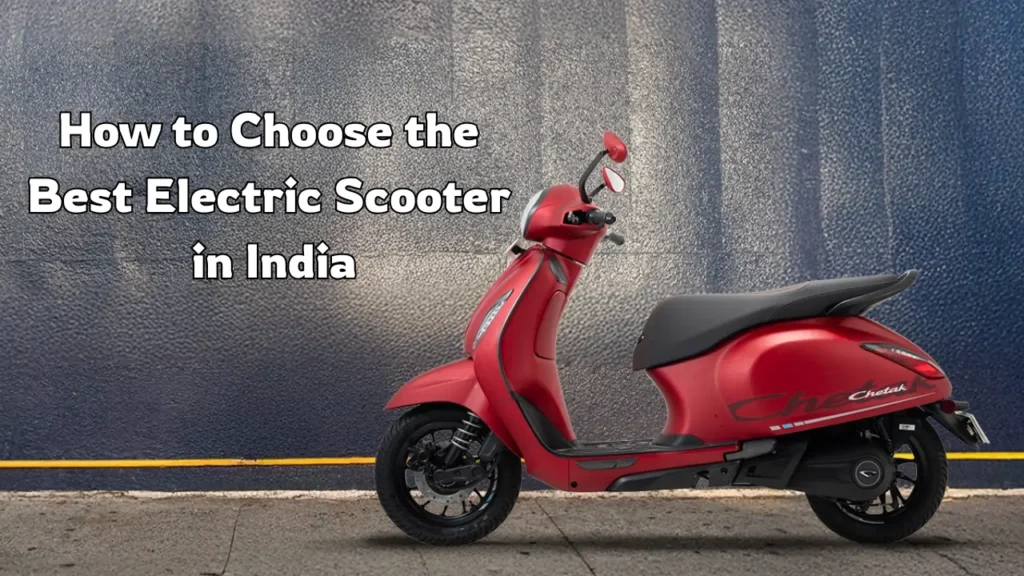
For buyers planning ahead, selecting the best electric scooter in India for 2026 requires careful evaluation of performance, reliability, and everyday usability. Rather than focusing on a single feature, riders must assess how well an electric scooter fits their long-term commuting needs. This blog outlines the most important factors to consider and explains how modern electric scooters align with evolving expectations.
Understand Your Daily Usage Requirements
The first step in choosing the best electric scooter in India is understanding how you plan to use it. Daily commute distance, road conditions, traffic density, and access to charging all influence the right choice.
Riders with short city commutes may prioritise compact design and quick charging, while those travelling longer distances will need extended range and higher battery capacity. Matching your usage pattern to the scooter’s capabilities ensures consistent performance and long-term satisfaction.
Evaluate Range and Battery Capacity
Range remains one of the most important decision factors when identifying the best electric scooter in India. A scooter should comfortably cover your daily travel with a safety buffer to avoid frequent charging. Battery capacity plays a direct role in determining usable range and long-term durability.
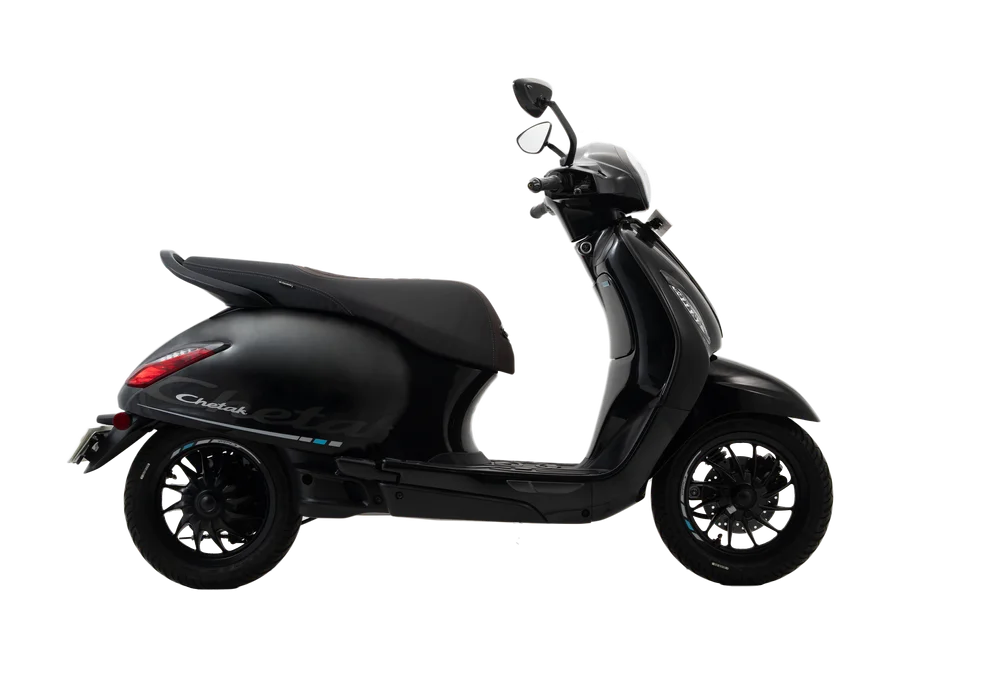
For example, the Chetak C2501 offers a range of 113 km supported by a 2.5 kWh battery, making it suitable for regular urban and daily commuting. Models such as the Chetak 3501 and Chetak 3503 are equipped with larger 3.5 kWh batteries, delivering extended ranges of 153 km and 151 km, respectively. Higher battery capacity increases range and reduces charging frequency, which is an important convenience factor.

Consider Charging Time and Convenience
Charging efficiency is essential when selecting the best electric scooter in India, especially for riders with busy schedules. Quicker charging supports flexible usage and reduces downtime. The Chetak C2501 can charge from 0 to 80 percent in approximately 2 hours and 25 minutes, making it convenient for overnight or workplace charging.
The Chetak 3501 reaches the same charge level in around 3 hours, while the Chetak 3503 takes close to 3 hours and 25 minutes. Although charging time increases with battery size, the benefit lies in extended range and fewer charging cycles. Buyers should balance charging duration with daily travel requirements and access to charging points.
Focus on Features That Add Functional Value
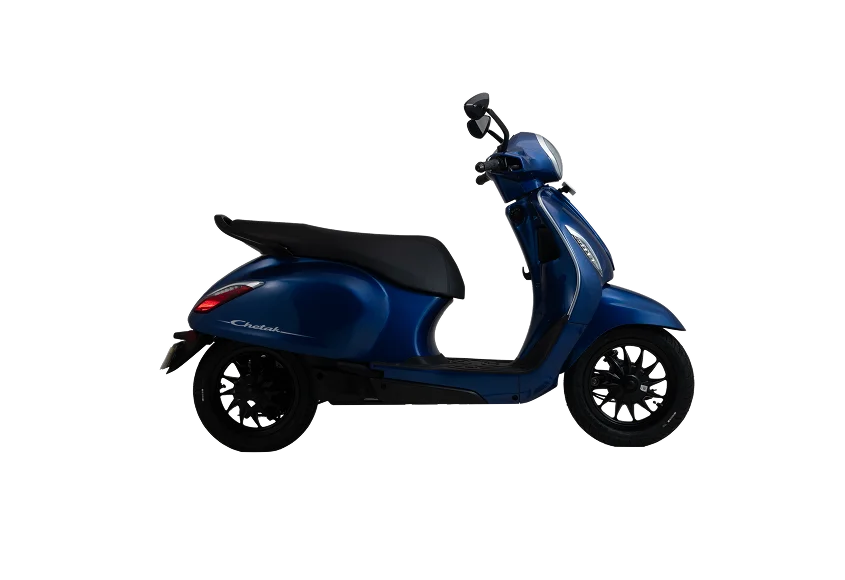
With TecPac, the additional subscription in e-scooters offered by Bajaj Chetak, the riding experience moves beyond basic mobility to offer thoughtful, everyday enhancements. Consider the Chetak C2501. Hill Hold provides added confidence when starting on inclines, while Eco and Sports modes allow riders to adapt performance to traffic conditions or efficiency needs.
Integrated Music Play/Pause controls bring a layer of connectivity without distraction, and the Guide Me Home Lights improve visibility after parking in dimly lit areas. Collectively, these additions focus on practical convenience, ensuring the scooter supports real-world riding scenarios rather than simply adding feature complexity.
Focus on Build Quality and Ride Comfort
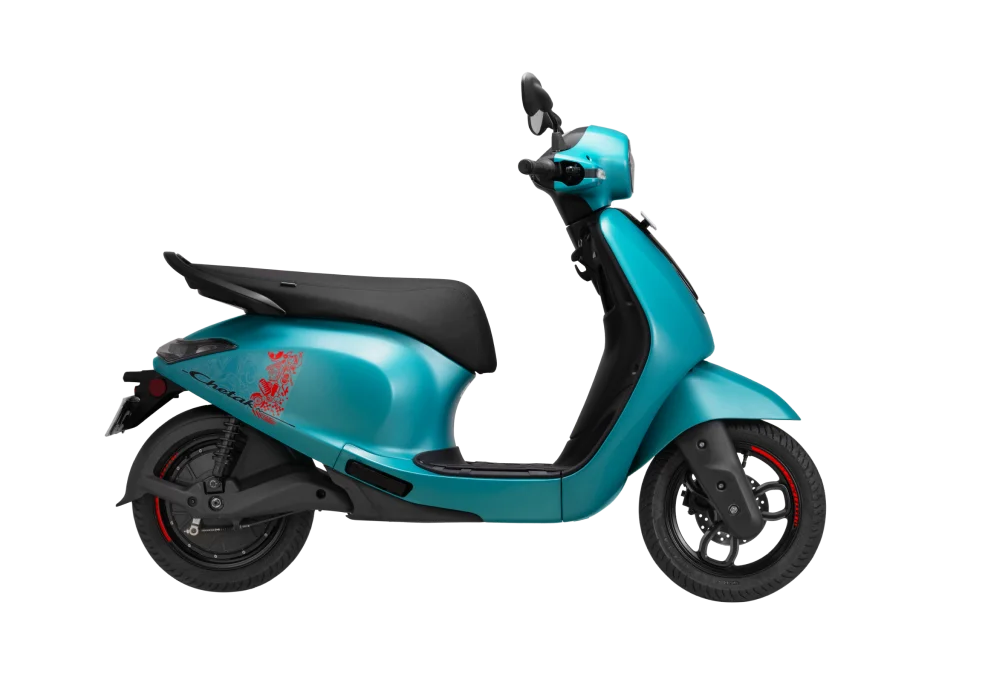
A strong contender for the best electric scooter in India must deliver consistent ride comfort and structural reliability. Build quality influences safety, durability, and long-term performance. A stable chassis, refined suspension, and balanced weight distribution contribute to confident handling in varied road conditions.

Ride comfort becomes particularly important in congested traffic and uneven urban roads. Smooth acceleration, predictable braking, and low noise levels enhance the overall riding experience. These attributes often distinguish a well-engineered electric scooter from entry-level alternatives.
Reliability and Long-term Ownership Value
When choosing the best electric scooter in India, buyers should look beyond initial performance and consider long-term ownership value. Battery reliability, component quality, and engineering standards directly affect durability. A scooter designed for longevity reduces maintenance concerns and supports consistent performance over time.
Electric scooters with proven engineering and robust construction are better equipped to handle daily usage and changing road conditions. This reliability becomes increasingly important as riders plan for ownership well beyond 2026.
Preparing for the Future of Electric Mobility
Selecting the best electric scooter in India for 2026 also involves future readiness. Advancements in charging infrastructure, policy support, and battery technology will continue to shape electric mobility. Choosing a scooter with adequate range, reliable battery systems, and adaptable features ensures relevance as infrastructure improves.
Future-focused buyers should prioritise scooters that offer a balance of current practicality and long-term usability, rather than short-term specifications.
Choosing the Right Electric Scooter for 2026
Ultimately, choosing the best electric scooter in India depends on how well a scooter’s technical features align with everyday riding requirements. Factors such as real-world range, charging convenience, connectivity, and build quality together define long-term value. For 2026, the focus should be on achieving the right balance between performance, reliability, and usability rather than simply selecting the most feature-loaded option.

Models such as the Chetak C2501, Chetak 3501, and Chetak 3503 highlight how established brands like Bajaj apply thoughtful engineering to address different commuting needs. By evaluating battery capacity, charging time, and practical features in line with personal usage, buyers can confidently invest in an electric scooter built for the future of mobility.