Outdoor gatherings expose your brand to numerous unpredictable variables: weather, foot traffic, and environmental stressors; therefore, structural integrity is non-negotiable. A canopied tent is created as a venue for displaying your branding and supporting those who are located under the tent.
Extreme gusts, increased wind resistance, and uneven ground surfaces can quickly lead to expo/custom solutions being insufficiently designed. When exhibiting at trade shows, outdoor fairs, or other promotions, trade show exhibitors can ensure their brand visibility is maintained by selecting printed tents designed to withstand wind.
This helps maintain a high level of professionalism and safety for those under the tent. By including stability in your printed tent’s construction or design, you create a strong and effective brand extension.
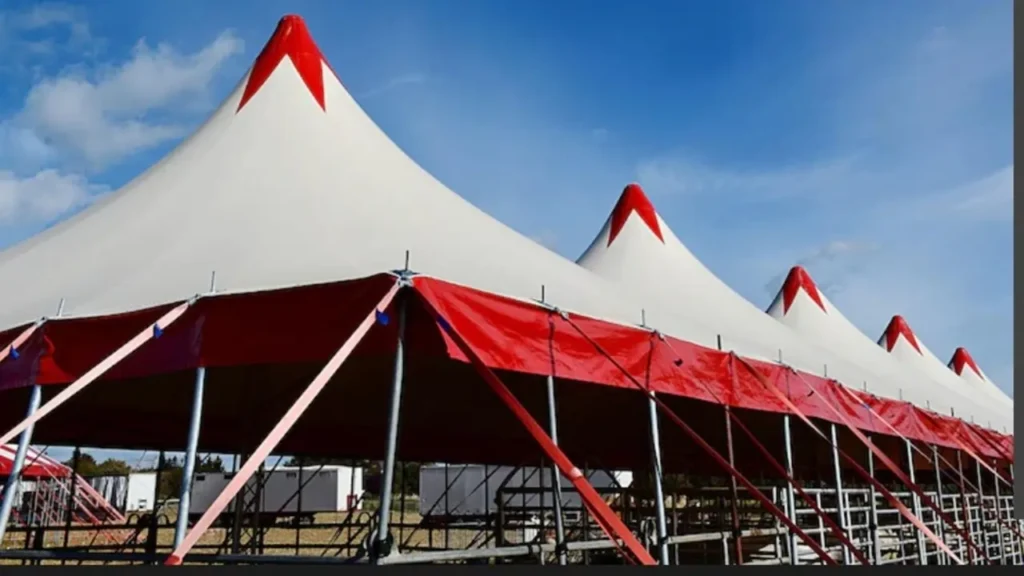
Five Essential Features That Define a Wind-Stable Outdoor Canopy Tent
1. Reinforced Frames Designed for High-Traffic Use in Food Vendor Tents
The stability of the food vendor’s tent will depend on how it is constructed. Food vendor tents typically operate in this way (outdoors or in crowded areas). They need a stronger frame than just a casual frame. If someone wants their tent to be secure, they must use a reinforced frame constructed of high-quality aluminum or steel and have thick leg profiles with reinforced cross-trusses that can provide the building blocks required to support the tent during wind loading. Hexagonal and square legs provide more support than traditional thin round frames. Having a rigid/solid frame will eliminate unnecessary flexing, thereby reducing the stress put on leg joints, preventing the possibility of structural failure from stress, and creating stability through the duration of the event.
 How to Make Your Brand Very Attractive?
2. Secure Anchoring and Weight Distribution Systems
A properly anchored frame, even the strongest one, is vital for maintaining tent stability. Although wind-resistant canopy tents are designed to support professional-grade weight systems, such as steel base plates, sandbags, and/or water weights, users must ensure that each leg supports an equal weight so that the tent does not lift or move from its position. When used in soft ground conditions, compatibility with stakes provides another layer of safety. Anchoring securely establishes the tent as a fixed, grounded structure rather than a temporary surface installation, thereby greatly reducing any movement or potential risk of wind-related failure.
3. High-Tension Canopy Fabric with Wind-Release Design
Canopy fabric quality is vital to performance in wind. With strong and durable high deadweight supports, less flapping and tearing under load occurs. Many designs use small venting channels for wind to pass through, preventing pressure from building up to reduce resistance under the canopy. Reinforced fasteners and corners secure and tighten the fabric canopies at their corners, providing maximum strength to resist uplift and minimize drag. A canopy-tensioned correctly will greatly improve the wind resistance and maintain the clearest image of brand identity without distortion.
4. Locking Mechanisms That Prevent Frame Collapse
The ability of a tent to maintain its intended shape is what determines its wind stability. Commercial canopy tents typically have joints and legs that utilize locking devices that will help keep them from shifting or collapsing while being used. Using push-pin locks, reinforced sliders, and secure connectors allows the tent frame to be secured in place once it has been opened and loaded with weight. The use of these devices enables the tent to withstand sudden wind gusts and human (crowd) interaction while maintaining safety and structural stability throughout the event.

5. Modular Accessories That Enhance Stability Without Compromising Branding
If not designed and constructed in the appropriate way, sidewalls, half-panels, and backdrops can lead to an increase in the amount of wind that surrounds the tent(s). High-wind-stable tents are designed with a modular accessory system that secures the accessory to the tent while limiting wind resistance. The use of removable or zippered side walls offers greater flexibility than fixed side walls, allowing the operator to adjust quickly as weather conditions change. Accessories that fit together with the tent’s frame enhance the functionality of the accessory(s) and maintain a proper flow of air and balance with the structural integrity of the tent.
End Point
To succeed with outdoor branding, firms must invest in wind-resistant canopies. The strength of the frame and anchoring system is a key consideration when selecting the right canopy for an event. Additionally, companies should ensure that their canopies can be customized with various accessories. By combining all of these features, organizations create an environment in which they provide a professional, stable, and secure presence regardless of the environment. Whether using a food vendor tent or a high-visibility printed tent, these features of a stable canopy ensure that the branding remains visible, stable, and safe—regardless of the weather. A stable canopy protects the business from wind and serves as a representation of a business’s preparedness level and confidence within its brand.