

Attracting and hiring top talent is essential for organizations looking to maintain a competitive edge in today’s fast-moving job market. Modern recruitment relies heavily on automation and technology, with applicant tracking systems (ATS) emerging as vital platforms for managing every aspect of the hiring lifecycle. The journey from candidate application through onboarding can be complex, but an ATS track delivers consistency, efficiency, and a better candidate experience for all parties involved.
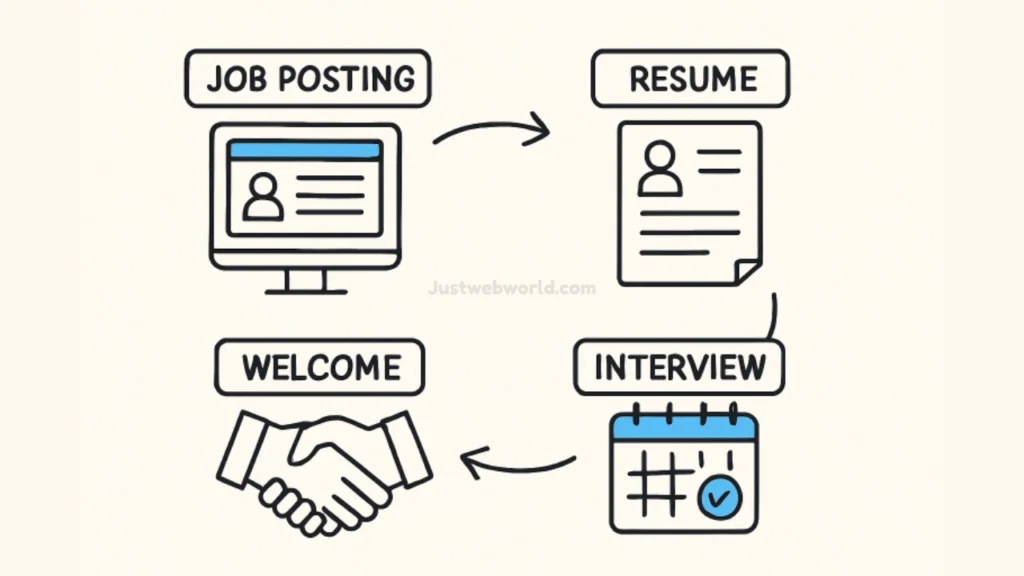
ATS platforms are far more than basic resume repositories. These powerful systems streamline recruitment workflows, eliminating paperwork, repetitive manual tasks, and data-entry errors. Organizations gain transparency and agility by centralizing job postings, communications, and candidate data—keys to succeeding in a talent-driven economy.
What Is an Applicant Tracking System?
An applicant tracking system (ATS) is specialized software designed to manage recruitment activities in a centralized and automated environment. ATS solutions allow recruiters and HR professionals to post open positions, collect applications, screen resumes, schedule interviews, and communicate with candidates—all within a single platform. Functioning as an end-to-end hiring hub, an ATS ensures standardized processes while capturing valuable data at each stage of the hiring cycle.
Companies utilize ATS systems to bring structure and efficiency to talent acquisition, reducing administrative burden while helping recruiters quickly identify top candidates. With integrated analytics and customizable features, these platforms support hiring teams by offering actionable insights and scalable workflows.
Key Features of an ATS
- Job Posting and Distribution: Simplifies job creation and enables distribution across multiple channels—corporate websites, major job boards, and social networks—maximizing visibility to diverse candidate pools.
- Resume Parsing and Screening: This process uses automated parsing to extract relevant details, rank resumes based on established criteria, and filter unqualified applicants out of the funnel, saving recruiters hours of manual review.
- Interview Scheduling: It integrates with calendar tools to coordinate interviews, reducing delays and communication errors and improving the experience for candidates and hiring managers alike.
- Candidate Relationship Management (CRM): Enables recruiters to build talent pipelines, track engagement, and nurture relationships with both active applicants and passive prospects.
- Onboarding Integration: Bridges the gap between acceptance and employment by automating tasks such as sending offer letters, collecting documents, and scheduling orientations—accelerating productivity for new hires.
Benefits of Using an ATS
An effective ATS delivers measurable improvements throughout the recruitment process, unlocking several crucial advantages:
- Efficiency: Automating routine tasks—like resume sorting, interview coordination, and candidate status updates—reduces time to hire and lets recruiters focus on strategy.
- Improved Candidate Experience: Clear communication, prompt responses, and smooth processes result in a more positive impression, which can enhance employer branding and boost offer acceptance rates.
- Data-Driven Decisions: Built-in analytics and reporting offer visibility into critical metrics such as sourcing effectiveness, funnel performance, and conversion rates, allowing for better-informed hiring decisions.
- Compliance: By standardizing workflows and maintaining digital records, ATS platforms help ensure adherence to legal requirements, reducing the risk of noncompliance and promoting fair hiring practices.
Studies suggest that organizations using advanced ATS tools can dramatically reduce their average hiring cycle, improve diversity in recruiting practices, and lower recruitment-related costs.
Integrating Onboarding with an ATS
The true strength of an ATS lies in its ability to seamlessly connect recruitment with onboarding. When recruitment data, communication trails, and supporting documentation transfer seamlessly to onboarding modules, organizations eliminate redundancies and minimize the risk of lost information. Tasks such as background checks, benefits enrollment, and preliminary training can be initiated automatically after an offer is accepted, enhancing new employee engagement and accelerating time-to-productivity.
Employees who experience a structured, welcoming onboarding process are more likely to stay with the organization and ramp up quickly, which are critical factors in reducing turnover and improving organizational performance.
Real-World Applications
ATS adoption spans various industries, from tech startups to global enterprises. For example, a major software company seeking to expand rapidly utilized an integrated ATS to handle a surge of applications during a key growth phase. By standardizing candidate evaluation and efficiently scheduling interviews, the organization cut its average time-to-hire by more than 30%, strengthening its employer brand through consistent candidate communications.
Retailers, healthcare providers, and educational institutions benefit from ATS capabilities, handling seasonal or high-volume hiring campaigns quickly and precisely. Additionally, organizations that nurture robust talent pools using the CRM features of their ATS report improved effectiveness when filling critical roles, as qualified candidates can be identified and engaged faster.
Conclusion
Leveraging an applicant tracking system empowers organizations to optimize recruitment and onboarding from start to finish. ATS platforms bring structure, compliance, and analytical rigor to the hiring journey, fostering better outcomes for recruiters and job seekers. By prioritizing automation, integration, and superior candidate experiences, companies can build a strong foundation for consistent growth and sustained talent success.

Justwebworld has published guides since 2012. How we write and update articles Report an error
