

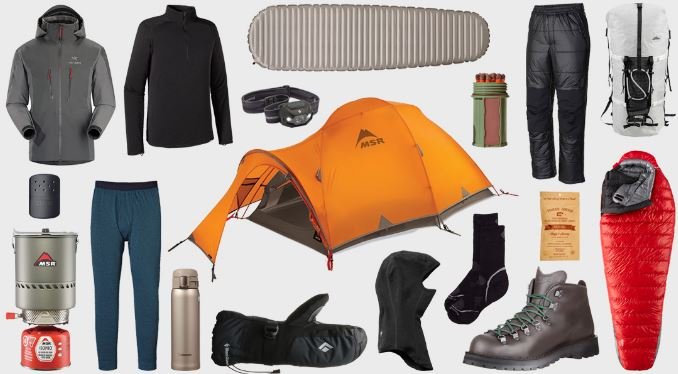
Camping essentials are the items you need to sleep, eat and stay safe outdoors: a tent with poles and stakes, a sleeping bag and pad, a light source for each person, a first aid kit, water and a way to treat it, food and a stove, layers of clothing, a knife or multi-tool, and a map. The National Park Service groups the safety core into its Ten Essentials.
Key Takeaways
- The National Park Service’s Ten Essentials are navigation, sun protection, extra clothing, illumination, first-aid supplies, fire, a repair kit and tools, nutrition, hydration and emergency shelter.
- Shelter, light, a knife and a first aid kit are the starting point; water, food, warm layers and a map complete a basic kit.
- Never run a gas camp stove or burn charcoal inside a tent or other enclosed space: the CDC warns these give off carbon monoxide.
- Leave No Trace guidance is to camp at least 200 feet from lakes and streams and to pack out all trash.
It is a fact that we all have busy work routines and our schedules are so tight that we merely find time to spend with our family and friends. A routine like that can leave many people feeling stressed and short of time for the people who matter most.
There are days when life feels like hustle, and everything seems to annoy and irritate. Feeling constantly rushed and irritable can be a sign of stress, and a break from the daily routine helps many people recharge.
Camping Checklist and Essentials

Travel is not the only way to manage stress, but a trip with loved ones is one option many families enjoy. I mean come on, a week-long vacation won’t disturb the pattern of your life, and you do need a break from work to spend some quality time with your family so why not go for an adventurous vacation?
Now, if you are someone who agrees with our idea of a vacation, then you need to stick with this article till the end. We are not suggesting you spend thousands of dollars on your vacation because even if you have a tight budget, we can help you with that. You see there is nothing as fun as camping especially when you are with your family.
This is not only going to save you some fortune, in fact, it is the best way to enjoy an adventurous vacation. Many people also report health benefits of camping such as time outdoors and physical activity, though the benefits vary from person to person.
Today we are going to jot down some of the basic camping essentials that you need to bring with you in order to get the best out of your time.
Tent, Poles & Stakes
This is one of the most obvious essentials because camping can’t be done without a tent and you need something to cover yourself while you are sleeping. Sleeping in tents can be quite a lot of fun, in fact, if you have a bigger tent, then you can even party in it with your family and eat there too.
Lanterns
Again, it is very obvious that if you are going for camping, then you need to take some source of light with you as there are high chances that the place you are going to won’t have proper electricity system so a lantern for the campsite plus a flashlight or headlamp for each person is a sensible minimum. The National Park Service lists illumination as one of its Ten Essentials.
Pocket Knife
A pocket knife is essential for you because you might have to cut fruits or other things while you are camping. So, having a pocket knife can be very useful for you especially if you have to cut something and then eat it.
First Aid Box
Never forget to take a first aid kit with you, as you never know when an emergency can pop up. Accidents are unpredictable, and you should always be ready to face them especially if you are camping with children, so check the kit before every trip and replace anything that has been used or has expired.
These four items are the starting point. The sections below complete the checklist with water, food, sleeping gear, clothing and safety items. Also, we suggest you take a break and start packing as soon as you can because there is absolutely nothing wrong in prioritizing your family and yourself over your work.
What Are the Ten Essentials for Camping?
The Ten Essentials are a safety checklist promoted by the US National Park Service (NPS) for anyone heading outdoors. The NPS list covers the gear most likely to get you through bad weather, an injury or a night longer than planned.
| Essential (NPS) | What the NPS suggests | Why it matters at camp |
|---|---|---|
| Navigation | Map, compass and GPS | Finding the campsite, trailheads and the way out if a phone loses signal |
| Sun protection | Sunglasses, sunscreen and hat | Protects against UV rays that cause sunburn and skin cancer |
| Extra clothing | Jacket, hat, gloves, rain shell and other layers | Nights outdoors can turn cold or wet quickly |
| Illumination | Flashlight and headlamp | Seeing at night and signaling for help |
| First-aid supplies | First aid kit | Treating minor injuries and handling emergencies |
| Fire | Matches or lighter and fire starters | Heat and an emergency signal |
| Repair kit and tools | Duct tape, knife, multi-tool and scissors | Fixing torn tents, broken poles and other gear |
| Nutrition | Extra food, including no-cook items such as trail mix and granola bars | Energy if a meal goes wrong or the trip runs long |
| Hydration | Water and water treatment supplies | The NPS calls staying hydrated a top priority |
| Emergency shelter | Tent, space blanket, tarp or bivy | Protection from severe weather and exposure |
Complete Camping Checklist by Category
A family campsite trip needs more than the safety core. Use this checklist to pack by category and tick items off as they go in the car.
Shelter and Sleeping
- Tent with its poles, stakes and rainfly (pitch it once at home to check nothing is missing)
- Ground sheet or footprint to go under the tent
- Sleeping bag suited to the lowest night temperature forecast
- Sleeping pad or air mattress, plus a pump if needed
- Pillow or stuff sack filled with clothes
Light and Power
- Lantern for the shared campsite area
- Headlamp or flashlight for each person
- Spare batteries or a charged power bank
Camp Kitchen
- Camp stove and fuel, plus matches or a lighter
- Cooler with ice packs
- Pot, pan, plates, cups and utensils
- Water containers and a filter or purification tablets
- Trash bags, so all waste can be carried out
- Biodegradable soap and a washing bowl
Clothing
- Rain jacket and a warm insulating layer
- Hat, gloves and spare socks
- Sturdy shoes or hiking boots, plus camp sandals
Tools, Health and Safety
- Pocket knife or multi-tool, duct tape and scissors
- First aid kit and any personal medications
- Sunscreen, sunglasses and insect repellent
- Map of the area and a compass, since phone signal is often weak at campsites
Camping Safety: Carbon Monoxide, Fire and Water
Carbon monoxide (CO) is the most serious hidden risk of camp cooking and heating. According to the US Centers for Disease Control and Prevention (CDC), you should never use a portable gas camp stove indoors and never burn charcoal indoors, because burning charcoal gives off CO. A tent is an enclosed space, so cook outside it.
The CDC lists the most common symptoms of CO poisoning as headache, dizziness, weakness, upset stomach, vomiting, chest pain and confusion. Anyone with these symptoms near a stove, lantern or grill should get to fresh air and seek medical help.
Water needs planning too. The NPS includes water treatment supplies in its Ten Essentials, so bring a filter, purification tablets or a way to boil water unless the campground has a safe drinking supply.
How to Camp Responsibly: Leave No Trace
Leave No Trace is a set of outdoor ethics organized into seven principles by the Leave No Trace Center for Outdoor Ethics, a non-profit formed in 1994. The seven principles are:
- Plan ahead and prepare
- Travel and camp on durable surfaces
- Dispose of waste properly
- Leave what you find
- Minimize campfire impacts
- Respect wildlife
- Be considerate of others
In practice, the Leave No Trace guidance is to camp at least 200 feet from lakes and streams, pack out all trash and leftover food, and, where no toilet is available, bury human waste in catholes 6 to 8 inches deep and at least 200 feet from water, camp and trails. For washing, carry water 200 feet away from streams or lakes and use small amounts of biodegradable soap.
How to Plan a Family Camping Trip Step by Step
- Choose and book a site. In the US, Recreation.gov is the federal government’s central reservation system for tent and RV sites, permits and day-use areas; Wikipedia, citing the site, reports more than 113,000 reservable sites as of 2021. State parks and private campgrounds usually take bookings separately.
- Check the rules. Look up fire restrictions, quiet hours and food storage rules for the campground before you go.
- Test your gear. Set up the tent and light the stove at home so missing parts show up before the trip.
- Check the forecast. Pack sleeping bags and layers for the coldest expected night.
- Pack by checklist. Use the category list above and keep the first aid kit and headlamps where you can reach them quickly.
- Leave a plan. Tell someone at home where you are going and when you expect to return.
For families with young children, ideas from our guide to summer camp activities for kids can fill the downtime, and compact board games for backpacking are useful on rainy evenings in the tent. If you prefer a vehicle to a tent, see our list of useful things to take when traveling by RV and the features to look for in a camper van. For longer adventure trips, read about travel insurance for adventure travelers and backpackers.
Common Camping Packing Mistakes
- Not test-pitching the tent: a missing pole or stake is hard to fix at a remote site.
- Relying on a phone for light and maps: the NPS lists separate navigation and illumination essentials for a reason.
- Packing too little water: without treatment supplies, an unsafe tap or stream leaves you with nothing to drink.
- Cooking inside the tent: the CDC warns against using gas camp stoves or burning charcoal indoors because of carbon monoxide.
- Leaving trash behind: Leave No Trace guidance is to pack out all trash and leftover food.
Frequently Asked Questions
What are the most important camping essentials?
The most important camping essentials are shelter (a tent with poles and stakes), a sleeping bag and pad, a light source, a first aid kit, water with a way to treat it, food, warm layers, a knife or multi-tool and a map. These match the safety core of the National Park Service’s Ten Essentials.
What are the Ten Essentials?
The Ten Essentials, as listed by the National Park Service, are navigation, sun protection, extra clothing, illumination, first-aid supplies, fire, a repair kit and tools, nutrition, hydration and emergency shelter.
Can you use a camp stove inside a tent?
No. The CDC says never to use a portable gas camp stove indoors and never to burn charcoal indoors, because they give off carbon monoxide, a gas that can poison people in enclosed spaces. Cook outside the tent in a well-ventilated area.
How far from water should you camp?
Leave No Trace guidance is to camp at least 200 feet from lakes and streams to protect the shoreline and water quality. Many campgrounds also have designated sites that you should use instead of making a new one.
What should a camping first aid kit include?
A camping first aid kit should cover cuts, blisters, burns, insect bites and any personal medications the group needs. Check the kit before every trip and replace items that have been used or have expired.

Justwebworld has published guides since 2012. How we write and update articles Report an error
