

Note (September 2026): The original list called Mountain Dew an energy drink and said Burn is owned by The Coca-Cola Company. Mountain Dew is a caffeinated soft drink, and Coca-Cola transferred Burn to Monster Beverage Corporation in June 2015; both points are corrected below.
The best-known energy drinks in India are Red Bull, Monster, PepsiCo’s Sting and Coca-Cola’s Charged by Thums Up. As of September 2026, a 250 ml can of Red Bull has 80 mg of caffeine and a 250 ml serving of Charged has 72.5 mg. India’s food regulator, FSSAI, caps caffeinated beverages at 300 mg of caffeine per litre and requires a warning for children, pregnant and lactating women.
Key Takeaways
- Red Bull, Monster, Sting and Charged by Thums Up are the energy drinks most widely named in India today; several older brands on this list could not be confirmed as still on sale in September 2026.
- Caffeine varies by brand: Red Bull lists 80 mg per 250 ml can, Charged lists 72.5 mg per 250 ml, and Mountain Dew (a soft drink, not an energy drink) has 54 mg per 355 ml can.
- FSSAI rules: drinks with more than 145 mg of caffeine per litre are “caffeinated beverages”, capped at 300 mg per litre, and must carry a warning for children, pregnant and lactating women and people sensitive to caffeine.
- Ownership has changed: Burn has belonged to Monster Beverage Corporation since June 2015, and Danone left India’s beverage business, including B’lue, in 2015.
- Safe amounts: the US FDA cites 400 mg of caffeine a day for most healthy adults, and medical experts advise against energy drinks for children and teens.
Energy drinks are gaining popularity in this fast paced world. We all need a sip of energy every now and then to take us through our busy schedule. Energy drinks give a quick lift, mainly from caffeine, and most regular versions also contain sugar. In India, drinks with more than 145 mg of caffeine per litre are regulated by FSSAI as “caffeinated beverages” (the rules are explained further down). Here are the top best energy drinks in India that you must try to stay full of vigour.
Popular Energy Drinks in India: The Brands on This List
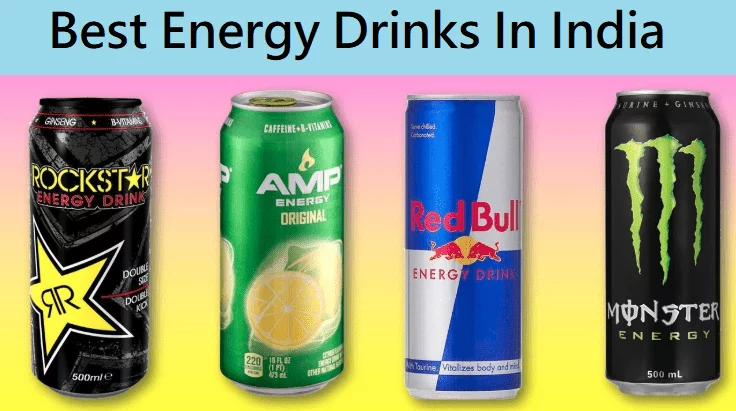
Red Bull
This is one of the most popular energy drinks not just in India but around the world. An Austrian company by the name Red Bull GmbH manufactures this world famous drink. According to Red Bull’s company figures, 13.969 billion cans of Red Bull were sold worldwide in 2025, an increase of 10.2%, and the company operated in 178 countries at the end of 2025. The company offers several variants of this drink.
Over the years, editions sold in different countries have included original, total zero, sugar free, ruby/ red, red, yellow, orange, white, green, peach, winter, lime sugar free, pear sugar free, purple/ Acai sugar free and orange sugar free, to name a few. As of September 2026, Red Bull’s India website lists five products: Red Bull Energy Drink, Red Bull Sugarfree, The Green Edition, The Pink Edition and The Red Edition.
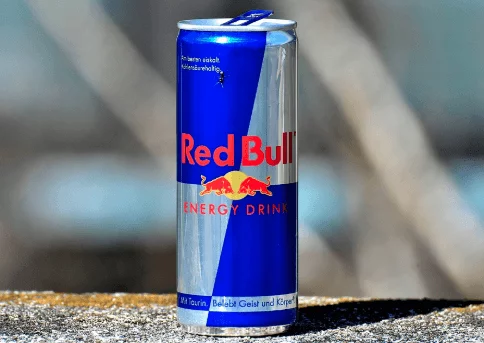
The slogan of the drink is “Red Bull gives you wings” (styled “wiiings” in Red Bull’s own marketing). According to Red Bull, one 250 ml can of Red Bull Energy Drink contains 80 mg of caffeine, about the same as a cup of home-brewed coffee.
Monster
Monster is yet another popular energy drink. Its trademark black can with an eye-catching green M on it makes it recognizable worldwide. The drink came in the market in April 2002. It was launched by Hansen Natural Company which is now known by the name, Monster Beverage Corporation.
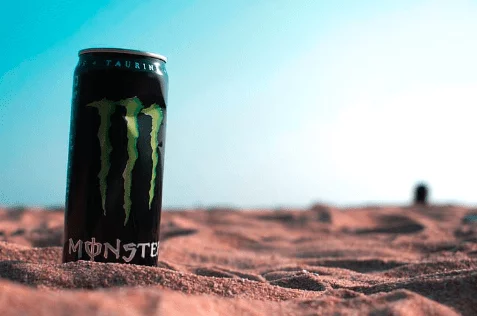
Several variants of this drink have been sold in India. Older listings named flavours such as Lima, Vanilla and Cuba; the line-up changes over time, so check what your local store currently stocks. The caffeine content in most of these is around 10 mg/oz, or roughly 160 mg in a 16 oz can of the US formula, according to Wikipedia’s product data. Other ingredients include carbonated water, citric acid, sucrose, sorbic acid, sucralose and riboflavin, to name a few. In May 2015, FSSAI banned the sale in India of Monster and other energy drinks that contained both caffeine and ginseng, so versions sold in India must follow Indian formulation rules.
Tzinga
Tzinga is an Indian energy drink launched in 2011 by Hector Beverages, the company that later created the Paper Boat brand. It has usually been priced below imported brands in the category. When this article was first written it came in 3 different flavours: lemon mint, mango strawberry and tropical trip. Tzinga was recalled in May 2015 on the orders of FSSAI, and in January 2016 the company said it would relaunch the drink with a changed formulation, according to a PTI report in Business Standard.
Each of these flavours is equally tasteful as well as effective. If you reach for a can on a hectic day, keep your total caffeine for the day in mind (see the safe-intake section below).
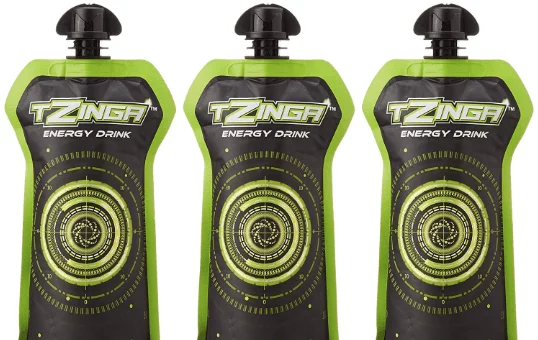
Tzinga has mostly been sold in the metropolitan areas and other big cities in India. Its availability as of September 2026 could not be confirmed from the maker’s website, which did not display product details. You might not be able to find these in general stores in other parts of the country.
Mountain Dew
Mountain Dew is an old drink, but strictly speaking it is not an energy drink: it is a caffeinated soft drink, first created in 1940 by Tennessee bottlers Barney and Ally Hartman. Mountain Dew is a carbonated soft drink brand owned by PepsiCo, which acquired the brand in August 1964. It has been sold in many flavour variants (an earlier count here was 28+), and the range differs by country. In terms of taste it is a popular choice, but a 12 US fl oz (355 ml) can contains 54 mg of caffeine (152 mg per litre), which is less than the energy drinks on this list.

This is a perfect drink to crack open on a wild adventure with your lovely friends.
Crunk
Crunk Energy was created in 2004 by Sidney Frank and was acquired by Solvi in 2017, according to Wikipedia. It is an American brand, and its availability in Indian stores as of September 2026 could not be confirmed. It is famous because of its unique taste as well as the instant energy it provides.
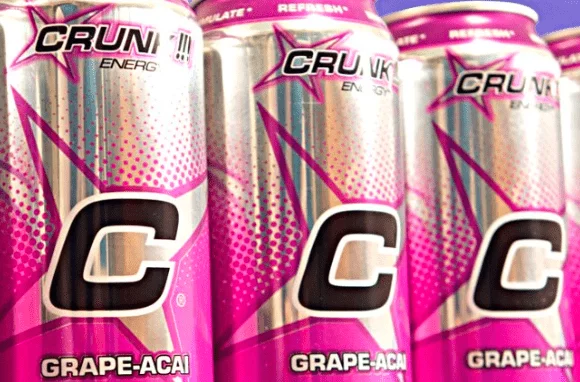
Some of the ingredients listed for this energy drink include pomegranate juice, Vitamin B, corn syrup, skullcap, guarana, ginseng and epimedium. Because FSSAI acted in 2015 against energy drinks combining caffeine and ginseng, any version sold in India has to follow Indian rules, so read the label.
Cloud 9
This energy drink was launched in India by Goldwin Healthcare Pvt. Ltd. Its availability as of September 2026 could not be confirmed from an official company website (a different, US-made drink called Cloud 9 also exists, so check the maker’s name on the can).
The company originally came up with the drink in mixed fruit flavour. It was well received and became popular among people from different age groups. Thereafter, the company launched an electrifying new flavour by the name, Wildberry.
This one received an even more overwhelming response. It is a unique flavour that has a tinge of different fruits including cranberry, redcurrant, blackcurrant, blackberry, strawberry, cherry, elderberry, blueberry and raspberry.

Its listed ingredients, as described when this article was first written, are below. The drink contains Vitamin C, Vitamin B, caffeine, taurine and reconstituted apple juice.
Cafe Cuba
Café Cuba is a carbonated coffee drink from Parle Agro, launched on 19 May 2013. Wikipedia describes it as a carbonated Cuban coffee, more of a bottled espresso. As of September 2026 it is not among the featured brands Wikipedia lists for Parle Agro, so check whether it is still stocked near you. It was positioned as a coffee drink comparable to a bottled espresso rather than a classic energy drink. It energizes the mind as well as body.
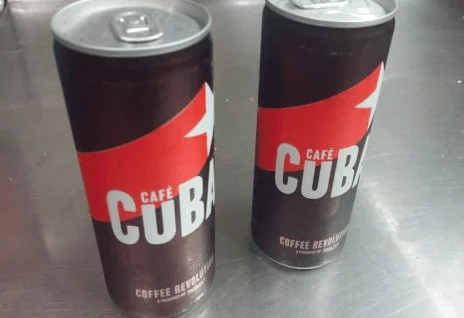
Café Cuba has been sold in 250 ml cans; its caffeine comes from coffee, so count it toward your daily caffeine total.
Xtra Power Energy Drink
Universal Group FZ LLC has come up with this energy drink. The company is based in UAE. It launched Xtra Power energy drink back in 2012 and has received a good response from the public. The maker’s claims of extra power have not been independently verified, and the drink’s availability as of September 2026 could not be confirmed from an official website.
In addition to the energy quotient, the drink is also known for its unique taste. The company has said that its selected ingredients are imported from Germany.
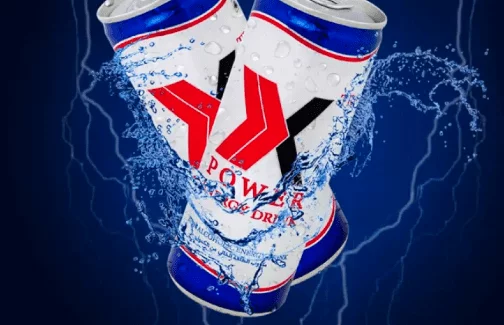
The energy drink includes caffeine, taurine, minerals, vitamins, sugar as well as amino acids. It is not only popular in India but also in Afghanistan and Middle East.
B’lue
B’lue, launched by Danone Narang Beverages Pvt Ltd (DNB), was marketed as a restorative drink. It was a water-based drink sold in apple, peach and guava flavours. According to the IUF, the Danone and Narang joint venture ended in 2015 when Danone exited the beverage space in India, so B’lue may no longer be on sale. It contains vitamins and minerals to give you power. Unlike other energy drinks, it does not contain caffeine or carbonated water.
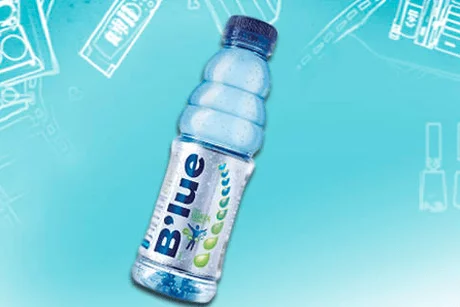
B’lue was marketed as sustaining energy as well as fluids. It is thus a perfect amalgamation of an energy drink and a sports drink. Sip B’lue through your day to stay mentally alert and physically active.
Burn
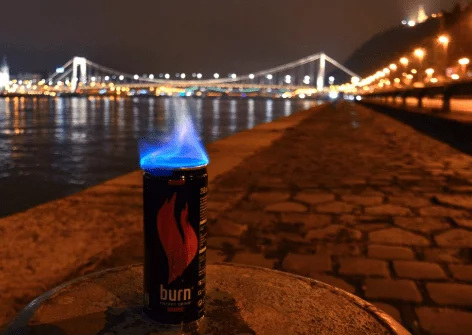
Burn was originally a Coca-Cola energy drink, but The Coca-Cola Company transferred it to Monster Beverage Corporation in June 2015 as part of their strategic partnership, so Monster now owns the brand. Wikipedia says Burn is distributed in more than 80 countries; its retail availability in India as of September 2026 could not be confirmed, and Coca-Cola India’s own energy drink is now Charged by Thums Up. It is available in numerous countries including Turkey, Japan, Bolivia, Brazil, Russia, Poland, Spain, France, Italy and Mexico.
The slogan of the company is ‘Fuel your Fire’ and this is exactly what this energy drink does. As with other energy drinks, the lift comes mainly from caffeine and sugar.
It is available in various flavours including Original, Juiced Energy, Passion Punch, Zero, Apple Kiwi as well as Lemon Ice. The drink includes ingredients like caffeine, carbonated water, ginseng, guarana, sugar, taurine and arginine.
So, now you know what to have when your energy seems to dip. Have you tried any of these already? If you have then do tell us how they make you feel. If you haven’t then go try some of these and find out which one works best for you. As for me, I prefer Red Bull. Whichever brand you pick, check the caffeine per can printed on the label.
Pro Tip
You need to watch out on the amount of energy drink you have during a day. Have it in moderation as too much of these can do more harm than good. Labels on caffeinated beverages sold in India, such as Charged by Thums Up, carry the line “consume not more than 500 ml per day”, and the US FDA cites 400 mg of caffeine a day as the amount most healthy adults can have.
Which Energy Drinks Are Most Popular in India Now?
The Indian energy drink market has changed a lot since this list was first written. PepsiCo introduced Sting in India in 2017, and Coca-Cola India launched Charged by Thums Up, an energy drink version of its Thums Up cola. Red Bull and Monster remain the best-known international brands.
According to Storyboard18, India’s energy drink market reached Rs 16,488.6 million in 2022, 12.6% more than in 2021, and sales volume rose from 26 million litres in 2020 to 33.5 million litres in 2022. The same report quoted PepsiCo India saying that Sting’s growth had been more rapid than any other soft drink brand launched in India in three decades, and industry observers credited its Rs 20 price point and PET bottles.
Charged by Thums Up is sold in a 300 ml can and a 250 ml PET bottle, and Coca-Cola India’s brand page lists it as high caffeine, at 72.5 mg per 250 ml.
Caffeine Per Can: How the Brands Compare
Caffeine is the main active ingredient in every drink on this list. The table uses the figures each source publishes; formulas sold in India must also stay within FSSAI’s 300 mg per litre limit, so the Indian label is the figure to trust.
| Drink | Owner | Serving | Caffeine | Source |
|---|---|---|---|---|
| Red Bull Energy Drink | Red Bull GmbH | 250 ml can | 80 mg | Red Bull |
| Charged by Thums Up | Coca-Cola India | 250 ml | 72.5 mg | Coca-Cola India brand page |
| Monster Energy (US formula) | Monster Beverage Corporation | 16 US fl oz can | About 160 mg (about 10 mg/oz) | Wikipedia |
| Mountain Dew (US formula, soft drink) | PepsiCo | 12 US fl oz (355 ml) can | 54 mg | Wikipedia |
For comparison, FSSAI’s cap of 300 mg per litre works out to 75 mg of caffeine in 250 ml. Caffeine figures for Sting, Tzinga, Cloud 9, Café Cuba and Xtra Power could not be verified from an official source, so check the pack.
What Are India’s Rules on Energy Drinks?
India’s Food Safety and Standards Authority (FSSAI) regulates energy drinks as “caffeinated beverages”. According to FoodNavigator’s report on the FSSAI standards, any non-alcoholic drink with more than 145 mg of caffeine per litre is a caffeinated beverage, and the caffeine may not exceed 300 mg per litre, whatever its source. Manufacturers had to comply from July 1, 2017.
- Warning label: packs must say they are not recommended for children, pregnant and lactating women, and persons sensitive to caffeine.
- Daily limit statement: labels such as Charged by Thums Up carry the line “consume not more than 500 ml per day”.
- Caffeine and ginseng: in May 2015, FSSAI banned the sale of Monster and other energy drinks that contained both caffeine and ginseng, and Tzinga was recalled the same month on FSSAI’s orders.
How Much Caffeine Is Safe?
For most healthy adults, the US Food and Drug Administration cites 400 mg of caffeine a day, about two to three 12-ounce cups of coffee. Red Bull’s own guidance, citing the European Food Safety Authority, the FDA and Health Canada, says single doses up to 200 mg are safe for healthy adults and that pregnant and nursing women should limit caffeine to 200 mg a day.
The FDA says medical experts advise against energy drinks for children and teens because of their sugar and caffeine, and that too much caffeine in young people can cause a raised heart rate, palpitations, anxiety and sleep problems. Anyone who is pregnant, breastfeeding, taking medication or managing a health condition should ask a doctor about caffeine. This article is general information, not medical advice.
Caffeine from other drinks counts too. If you already drink coffee, read how to enjoy your morning coffee without side effects, and remember that late-day caffeine can affect rest; these tips for improving your sleep quality explain why. Parents can also check how much sleep teenagers need.
Which Brands on This List Have Changed?
| Brand | Status found in September 2026 |
|---|---|
| Red Bull | On sale; India website lists five products. |
| Monster | On sale; made by Monster Beverage Corporation (formerly Hansen Natural). |
| Tzinga | Recalled in May 2015, relaunch announced in January 2016; current availability not confirmed. |
| Mountain Dew | A PepsiCo soft drink, not an energy drink. |
| Crunk | US brand, acquired by Solvi in 2017; availability in India not confirmed. |
| Cloud 9 | Goldwin Healthcare brand; availability not confirmed. |
| Café Cuba | Parle Agro coffee drink launched in 2013; not among Parle Agro’s featured brands. |
| Xtra Power | Availability not confirmed from an official website. |
| B’lue | Danone left India’s beverage business in 2015; likely no longer sold. |
| Burn | Owned by Monster Beverage Corporation since June 2015; availability in India not confirmed. |
How to Choose an Energy Drink in India
- Read the caffeine per pack. Labels on caffeinated beverages sold in India, such as Charged by Thums Up, state the caffeine per serving; compare it with your total daily intake.
- Check the serving size. A 300 ml can holds more caffeine than a 250 ml can of the same drink.
- Look at the sugar. Most regular versions are sweetened; sugar-free editions such as Red Bull Sugarfree exist.
- Respect the warning. Energy drinks are not recommended for children, pregnant and lactating women, or people sensitive to caffeine.
- Consider other drinks. For hydration on hot days, see these refreshing drinks to beat the summer heat, popular packaged fruit juice brands in India or green tea brands in India.
Frequently Asked Questions
Which is the most popular energy drink in India?
PepsiCo’s Sting, Red Bull, Monster and Coca-Cola’s Charged by Thums Up are the most widely named energy drinks in India. No independently audited market-share figure could be verified, but Storyboard18 reported PepsiCo India’s statement that Sting, launched in India in 2017, grew faster than any other soft drink brand launched in the country in three decades.
How much caffeine is in a can of Red Bull?
A 250 ml can of Red Bull Energy Drink contains 80 mg of caffeine, according to Red Bull, which says this is about the same as a cup of home-brewed coffee.
Is Mountain Dew an energy drink?
No. Mountain Dew is a caffeinated soft drink owned by PepsiCo. A 12 US fl oz (355 ml) can contains 54 mg of caffeine, according to Wikipedia, which is less than a typical energy drink.
Is Burn still a Coca-Cola drink?
No. The Coca-Cola Company transferred Burn, along with brands such as NOS, Full Throttle and Relentless, to Monster Beverage Corporation in June 2015. Coca-Cola India’s energy drink is now Charged by Thums Up.
What is the caffeine limit for energy drinks in India?
FSSAI caps caffeinated beverages at 300 mg of caffeine per litre. Drinks above 145 mg per litre must be labelled as caffeinated beverages and carry a warning that they are not recommended for children, pregnant and lactating women, and persons sensitive to caffeine.
Can children drink energy drinks?
No, they are not recommended. Indian labels must say energy drinks are not recommended for children, and the US FDA says medical experts advise against energy drinks for children and teens because of their sugar and caffeine.

Justwebworld has published guides since 2012. How we write and update articles Report an error
