Note (September 2026): This guide has been updated: several platforms named in the original version have changed, including Bitbond, which no longer offers bitcoin lending, and Expedia, which stopped accepting bitcoin in 2018.
Bitcoin is a decentralized digital currency, launched in 2009, with a fixed maximum supply of 21 million coins. To get started, beginners typically buy a small amount on a regulated exchange, secure the account with two-factor authentication, move long-term holdings to a wallet they control, keep the recovery phrase offline, and record every transaction for taxes.
Key Takeaways
- Bitcoin’s supply is capped at 21 million; the 20 millionth coin was mined in March 2026, and the fourth halving on April 20, 2024 cut the block reward to 3.125 BTC.
- Buy only through platforms registered or licensed where you live, and start with an amount you can afford to lose.
- Whoever holds the private keys controls the bitcoin: protect your recovery phrase and never share it.
- Crypto fraud is widespread: the FBI’s Internet Crime Complaint Center recorded $11.37 billion in reported crypto-related losses in 2025.
- Selling, swapping or spending bitcoin is usually taxable; rules differ by country, so check your local tax authority.
Bitcoin trading gets a lot of attention, but bitcoin itself is more than a trading asset: it is a digital currency that people can send to each other without a bank. Do you want to learn more about bitcoin? This beginner’s guide explains what bitcoin is, how to buy it safely, how to store it, and the risks, scams and tax rules to understand first.
Bitcoin defined
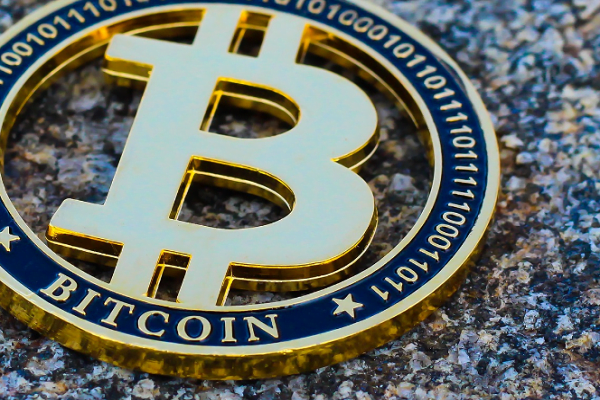
Bitcoin is a form of electronic money which is called cryptocurrency. It is a decentralized digital currency, which means no bank or government issues it or runs the network. Exchanges, tax authorities and financial regulators still oversee how people buy, sell and report it.
Buying and earning Bitcoin
There are several methods of earning and buying bitcoins. You can choose from the following.
Accept it as a payment
You can get bitcoin if you accept it as a payment. You can do this by providing your bitcoin address with people. You can also sell goods and services for bitcoin through online marketplaces or a crypto payment processor. Purse, a bitcoin marketplace named in earlier versions of this guide, announced in April 2020 that it would shut down before reversing that decision, so check that any such site is still operating before relying on it.
Exchange real money to earn bitcoin
Through centralized cryptocurrency exchanges and decentralized exchanges, beginners can buy bitcoin and other cryptocurrencies. Bank transfers, debit or credit cards and, where available, PayPal are accepted by centralized exchanges and payment apps; decentralized exchanges generally require you to already hold crypto in a self-custody wallet.
Long-running exchanges that beginners often come across include Bitstamp, Bitfinex, and Coinbase. Availability depends on where you live: Bitfinex, for example, does not serve US residents, and Bitstamp has been owned by Robinhood since June 2025. Bitcoin can also be bought through some brokerage and payment apps, Bitcoin ATMs and person-to-person trades, but ATMs and person-to-person deals carry the highest scam risk (see the scams section below).
Get interest from lending bitcoin
Lending bitcoin for interest is one of the riskiest ways to hold it. Bitbond, the site named in earlier versions of this guide, moved away from peer-to-peer lending by 2019 and now focuses on asset tokenization. In 2022, large crypto lenders including Celsius, Voyager and BlockFi froze withdrawals and filed for bankruptcy, and their customers became unsecured creditors waiting for repayment. Lending to friends carries the same basic risk: the bitcoin may not come back.
Complete tasks to earn bitcoin
Another way to earn bitcoin is to complete tasks. One option is bitcoin faucets sites, which pay small amounts of bitcoin for tasks such as watching ads, completing surveys or playing games. Payouts are usually tiny fractions of a bitcoin, so faucets are better for learning how wallets work than for earning meaningful money.
Get tipped with bitcoin
You can also get tipped with bitcoin. Tipping sites such as Bitfortip were built for this, but many early tipping services have since wound down, so check that a site is still active before signing up. These sites provide bitcoin incentives for different tasks. Some tip bitcoin for answering questions, taking surveys or sharing content.
Using and storing Bitcoin
As a beginner, you must know how to store and use bitcoin. If you wish to collect, earn, or buy, you must set up first your bitcoin wallet. You can choose from the storage method, including hot storage or cold storage.
Cold storage is when you store your bitcoin offline. On the other hand, hot storage is when you choose to store bitcoin online.
With bitcoin wallets, you can make payments and other transactions. A self-custody wallet also gives you more control, because no exchange or intermediary holds your coins. The trade-off is that nobody can recover your bitcoin if you lose your private keys or recovery phrase.
Spending your Bitcoin
If you want to spend your bitcoin, you need a bitcoin address. It can be compared to a physical or email address. Every transaction involves a bitcoin address.
To receive bitcoin, you share your bitcoin address with the sender; to send bitcoin, you enter the recipient’s address in your wallet. Always double-check the address before sending, because bitcoin transactions cannot be reversed. Some merchants accept bitcoin directly or through payment processors, but the list changes often. Expedia, once a well-known example, stopped accepting bitcoin in June 2018, so check a merchant’s current payment options before relying on them.
Be very cautious with automated trading platforms promoted under names such as bitcoin lifestyle. Platforms that promise automated or guaranteed bitcoin profits match the warning signs described in the investor alert on fraudulent crypto trading websites issued by the US Commodity Futures Trading Commission (CFTC) and the SEC. No legitimate service can guarantee trading returns, so check any platform on your national regulator’s register before depositing money.
Tips in Minimizing Risks in Bitcoin
Just like other transactions, Bitcoin trading also comes with risks. If you want to reduce losses, you can consider the following tips.
- Store your small bitcoin amount in cloud-based wallets. You can store your larger bitcoin amounts in your offline wallets.
- Back up your wallet regularly, and keep your private keys and recovery phrase offline and secure.
- Keep wallet apps and device firmware up to date, download them only from official sources, and turn on two-factor authentication for every exchange account.
It is also essential for you to prevent scams like mining scams, wallet scams as well as exchange scams. A sound plan for beginners is to use regulated platforms, never invest more than they can afford to lose, and ignore anyone who promises guaranteed returns.
With this guide, you can make safer, better-informed decisions about buying, storing and using bitcoin.
What Is Bitcoin and How Does It Work?
Bitcoin is a decentralized digital currency that lets people send value directly to each other online without a bank. Bitcoin was described in a white paper titled “Bitcoin: A Peer-to-Peer Electronic Cash System,” published on October 31, 2008, under the pseudonym Satoshi Nakamoto. The network went live on January 3, 2009, when the first block, known as the genesis block, was mined.
Every bitcoin transaction is recorded on the blockchain, a public ledger copied across many independent computers called nodes. Miners group transactions into a new block roughly every 10 minutes using a process called proof of work, and they are paid in newly created bitcoin plus transaction fees. For a closer look, see this beginner’s guide to the bitcoin mining process.
One bitcoin can be divided into 100 million smaller units called satoshis (1 satoshi = 0.00000001 BTC). Beginners do not need to buy a whole bitcoin.
How Many Bitcoins Are There? The 21 Million Cap
Bitcoin’s total supply is capped at 21 million coins by the rules of its software. According to blockchain data reported by several crypto news outlets, the 20 millionth bitcoin was mined on March 9, 2026, at block 939,999, which means about 95% of all bitcoin that will ever exist is already in circulation.
The remaining roughly 1 million bitcoin will be released more and more slowly because of the halving schedule. The last fraction of a bitcoin is expected to be mined around the year 2140.
What Is the Bitcoin Halving?
A bitcoin halving is a scheduled event that cuts the reward miners receive for each new block in half. Halvings happen every 210,000 blocks, which works out to roughly every four years, and they slow the creation of new bitcoin until the 21 million cap is reached.
| Halving | Date | Block height | Block reward |
|---|---|---|---|
| 1st | November 28, 2012 | 210,000 | 50 to 25 BTC |
| 2nd | July 9, 2016 | 420,000 | 25 to 12.5 BTC |
| 3rd | May 11, 2020 | 630,000 | 12.5 to 6.25 BTC |
| 4th | April 20, 2024 (UTC) | 840,000 | 6.25 to 3.125 BTC |
| 5th (expected) | Estimated around 2028 | 1,050,000 | 3.125 to 1.5625 BTC |
The most recent bitcoin halving took place on April 20, 2024, at 00:09 UTC (still April 19 in US time zones) at block 840,000, reducing the reward from 6.25 to 3.125 BTC. The exact date of the next halving cannot be fixed in advance because block times vary, and halving trackers currently estimate it for around 2028. A halving does not guarantee any particular price movement.
How to Buy Bitcoin Safely: Step by Step
- Choose a regulated platform. Check the platform on the regulator’s register where you live. In the UK, use the Financial Conduct Authority’s register and its Warning List of unauthorized firms. In the EU, crypto-asset service providers need authorization under the Markets in Crypto-Assets Regulation (MiCA), because the transitional period for older national licenses ended on July 1, 2026. In the US, crypto exchanges generally count as money transmitters that must register with FinCEN as money services businesses, and most states also require a license.
- Use the official website or app. Type the address yourself or use the official app store listing, since fake trading websites are a common scam.
- Secure the account. Use a unique, strong password and turn on two-factor authentication. An authenticator app or security key is safer than text-message codes, which SIM-swap fraud can intercept.
- Complete identity verification. Regulated platforms ask for ID under anti-money-laundering rules.
- Compare the full cost. Look at trading fees, card or deposit fees and the spread (the gap between the buy and sell price). Fees vary widely, so check each platform’s current fee page.
- Start small. Buy a fraction of a bitcoin first, and never invest money you cannot afford to lose.
- Decide where to keep it. Small amounts on a reputable exchange are convenient; many people move larger or long-term holdings to a wallet they control.
- Keep records. Save the date, amount, price and fees of every purchase, sale and transfer for tax reporting.
Ways to Get Bitcoin Compared
| Method | How it works | Who controls the bitcoin | Main risks |
|---|---|---|---|
| Crypto exchange or app | Buy with a bank transfer or card | The platform, until you withdraw | Platform failure, account hacks, fees |
| Spot bitcoin ETF | Buy fund shares through a brokerage account (the SEC approved the first US spot bitcoin ETFs on January 10, 2024) | The fund’s custodian; you own shares, not coins | Annual fund fees; you cannot send or spend the bitcoin |
| Bitcoin ATM | Insert cash and the machine sends bitcoin to a wallet address | You, if the address is your own | Operator fees vary; heavily used by scammers |
| Person-to-person trade | Buy directly from another individual | You, once the trade settles | Fake payments, fraud, no platform protection |
| Earning (payments, faucets, tips) | Receive bitcoin for goods, services or small tasks | You | Tiny faucet payouts; income may be taxable |
Custodial vs. Self-Custody: Where Should Beginners Keep Bitcoin?
A bitcoin wallet does not hold coins the way a leather wallet holds cash. A bitcoin wallet stores the private keys that prove ownership of bitcoin recorded on the blockchain, and whoever controls the private keys controls the bitcoin.
| Wallet type | Best for | Advantages | Drawbacks |
|---|---|---|---|
| Custodial (exchange account) | First purchases, small amounts | Easy to use; password can be reset | The platform can freeze withdrawals, fail or be hacked |
| Hot wallet (mobile or desktop app) | Everyday spending | Free, fast, you hold the keys | Connected to the internet, so exposed to malware and phishing |
| Cold wallet (hardware device) | Larger, long-term holdings | Private keys stay offline | Costs money; you alone are responsible for the backup |
The collapse of the FTX exchange showed the risk of leaving funds with a custodian. FTX filed for bankruptcy on November 11, 2022, after customer funds were misused, and customers waited until October 2024 for a court-approved repayment plan.
Self-custody wallets create a recovery phrase, also called a seed phrase, which is usually 12 or 24 words long under the BIP39 standard. Anyone who has the phrase can take the bitcoin, and anyone who loses it may lose access forever. Write it down, store it offline, and never type it into a website or share it with anyone. Learn more about how to secure your bitcoin seed phrase and the different types of bitcoin wallets.
Common Bitcoin Scams and Red Flags
Bitcoin is a frequent target for fraud because transactions are fast, global and cannot be reversed. According to the FBI’s 2025 Internet Crime Report, Americans reported about $11.37 billion in losses to complaints involving cryptocurrency in 2025, more than half of the roughly $20.88 billion in total losses reported to the FBI’s Internet Crime Complaint Center (IC3) that year. People aged 60 and over reported about $4.43 billion of those crypto-related losses.
Fake investment platforms
Crypto investment scams were the largest category, with 61,559 complaints and about $7.23 billion in reported losses in 2025, according to the FBI. Typically, a fake trading site shows invented profits and then demands “taxes” or “fees” before any withdrawal.
Impersonation scams and Bitcoin ATMs
Callers posing as a government agency, a bank or tech support tell victims to feed cash into a Bitcoin ATM, often scanning a QR code that sends it straight to the scammer. The FBI logged 13,460 complaints involving crypto ATMs and kiosks in 2025, with about $389 million in losses. According to the US Federal Trade Commission, no real business or government agency will ever tell you to use a Bitcoin ATM. Read more about how Bitcoin ATMs work and why scammers use them.
Recovery scams
Fake law firms, “recovery agents” and IC3 impersonators contact past victims and promise to recover their money for an upfront fee. The FBI recorded 10,516 recovery-scam complaints and about $1.4 billion in losses in 2025.
Red flags to watch for
- Guaranteed or unusually high returns described as “risk-free”
- Unsolicited contact through social media, dating apps, text messages or wrong-number chats
- Pressure to invest or pay right now
- Demands for extra “taxes” or “fees” before you can withdraw
- A firm that is not registered or licensed with a financial regulator
- Any request for your recovery phrase or remote access to your device; legitimate wallets and exchanges never ask for it
- Look-alike login pages, fake wallet apps and “send 1, get 2 back” giveaways
What to do if you have been scammed
- Stop sending money, including any “fee” to release funds.
- Contact the exchange or payment app you used right away.
- Save wallet addresses, transaction IDs and messages.
- Report it: in the US, to the FBI’s IC3 and the Federal Trade Commission; elsewhere, to your national fraud-reporting service and local police.
- Ignore anyone who contacts you offering to recover the money for a fee.
How Is Bitcoin Taxed?
In many countries, including the US, the UK and India, bitcoin is taxed when it is sold, swapped for another crypto, spent, or received as income, while simply buying and holding is generally not a taxable event. Rules differ by country, so check with your local tax authority or a qualified tax professional.
- United States: The IRS treats digital assets as property. Every Form 1040 filer must answer the digital asset question, and brokers began issuing Form 1099-DA for 2025 transactions, with cost basis reporting required for certain transactions on or after January 1, 2026.
- United Kingdom: HMRC generally treats gains on cryptoassets as subject to Capital Gains Tax. Under the Cryptoasset Reporting Framework, UK crypto platforms have collected user details since January 1, 2026, with the first reports due to HMRC by May 31, 2027.
- India: Income from transferring virtual digital assets is taxed at a flat 30% plus 4% cess under Section 115BBH, losses cannot be set off against other income, and 1% TDS applies to transfers above set thresholds under Section 194S.
For a deeper look, read this guide to bitcoin taxation for crypto investors, and confirm the current rules for your country before filing.
Key Risks and Common Beginner Mistakes
- Volatility: Bitcoin’s price can rise or fall sharply in a short time; never invest borrowed money or money needed for bills.
- No reversals: A payment sent to the wrong address or to a scammer usually cannot be recovered, so send a small test amount first.
- Lost or exposed keys: Storing a recovery phrase in a screenshot, email or cloud note invites theft; losing it can mean losing the bitcoin permanently.
- Platform failure: Exchanges and lenders can freeze withdrawals or go bankrupt, as FTX, Celsius and Voyager did in 2022.
- Changing regulation: El Salvador made bitcoin legal tender in 2021 and then ended mandatory acceptance in January 2025, a reminder that the rules can change quickly.
Is Bitcoin Right for You?
Bitcoin may suit someone who understands the risks and is comfortable with large price swings; it is a poor fit for money needed in the short term. A sensible next step is to open an account with a regulated platform, buy a small amount, practice sending it to a wallet you control, and learn how to cash out bitcoin before you ever need to.
Frequently Asked Questions
Is bitcoin legal?
Bitcoin is legal to own and trade in many countries, including the US, the UK and EU member states, where platforms must follow financial regulations. Some countries restrict or ban it: China declared all cryptocurrency transactions illegal in September 2021. Check the rules where you live.
Can I buy less than one bitcoin?
Yes. One bitcoin is divisible into 100 million satoshis, so most platforms let beginners buy a small fraction of a bitcoin instead of a whole coin.
What happens when all 21 million bitcoins are mined?
When all 21 million bitcoins are mined, expected around 2140, no new bitcoin will be created. Miners will then be paid only through transaction fees for securing the network.
When is the next bitcoin halving?
The next bitcoin halving is expected around 2028, at block 1,050,000, when the block reward will fall from 3.125 to 1.5625 BTC. The exact date depends on how quickly blocks are mined. The last halving happened on April 20, 2024.
Can a bitcoin transaction be reversed?
No. Once a bitcoin transaction is confirmed on the blockchain, it cannot be reversed by a bank or the sender. That is why scammers prefer bitcoin and why every address should be checked before sending.