

To succeed in the wholesale beauty industry, a business should research demand before ordering, vet suppliers with samples and references, price so both wholesaler and retailer earn a margin (keystone pricing doubles the wholesale price), build steady buyer relationships, and confirm that every product meets cosmetics rules such as the US MoCRA law or EU Regulation 1223/2009.
Key Takeaways
- Wholesale success starts with demand research: pricing, competing products and the channels buyers prefer.
- Vet wholesale partners on samples, minimum order quantities, lead times, references and regulatory paperwork, not on price alone.
- Keystone pricing, a common retail benchmark, sets the shelf price at double the wholesale price, so wholesale prices must leave room for that markup.
- In the US, the Modernization of Cosmetics Regulation Act of 2022 (MoCRA) added facility registration, product listing and adverse event reporting duties; in the EU, every cosmetic needs a designated responsible person.
- Trade shows such as Cosmoprof Worldwide Bologna remain a main meeting point for beauty buyers and suppliers.
With the supply and demand disruption of the COVID-19 pandemic now behind it, the beauty industry is again seeing many brands and retailers turn to beauty wholesale products as a way to widen distribution and grow sales.
However, navigating the wholesale market can be challenging, especially for small and medium-sized businesses that may not have experience working with wholesale distributors and managing returns.
That’s where the online beauty marketplace https://www.beautysourcing.com/ comes in. BeautySourcing is a business-to-business marketplace that lists products from many beauty, personal care and packaging suppliers, and platforms of this kind let a buyer compare several suppliers in one place before contacting them. But learning from them isn’t the only way to understand the wholesale beauty industry.
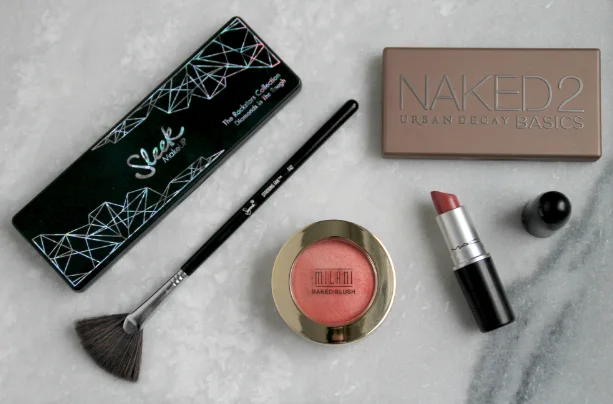
Here are practical steps beauty businesses can use to buy and sell successfully through wholesale channels.
Research your market
It’s important to understand the demand for your products in the wholesale market and what other similar products are being offered by competitors. Conduct market research to gather data on pricing, demand, and distribution channels.
This can include surveying potential buyers, analyzing industry data, and keeping track of trends in the market. By understanding the market, you can make informed decisions about the types of products to offer, the pricing strategy to use, and the best distribution channels to reach your target customers.
For example, a small beauty business may conduct market research to understand the demand for natural skin care products in the wholesale market. The business may survey potential buyers to gather data on the types of products they are interested in, the price range they are willing to pay, and the distribution channels they prefer.
The business may also analyze industry data on the size and growth of the natural skincare market and the types of products that are currently in high demand. By understanding the market, the business can make informed decisions about the types of natural skin care products to offer, the pricing strategy to use, and the best distribution channels to reach its target customers.
Choose the right wholesale partners
The wholesale distributors a business partners with affect product quality, delivery reliability and legal compliance. Research potential partners and ask for references, sample orders, minimum order quantities (MOQs), lead times and proof that products meet the cosmetics rules of the market where they will be sold.
Consider factors such as their reputation, distribution network, and the types of products they carry. It’s also important to review the terms of any partnerships or agreements carefully to ensure that they are fair and beneficial for your business.
For example, a beauty business may research potential wholesale partners to find distributors with a strong track record of success in the natural skincare market.
The business may consider factors such as the reputation of the distributor, the size and reach of its distribution network, and the types of natural skin care products they carry. The business may also review the terms of any partnerships or agreements carefully to ensure that they are fair and beneficial for the business.
Price your products appropriately
Wholesale prices must leave room for both the wholesaler and the retailer to earn a margin. A common benchmark is keystone pricing, in which a retailer sets the shelf price at double the wholesale price (a 100% markup), so a product sold to a store at $10 would typically retail at about $20. It’s important to consider factors such as the cost of production, the price of similar products in the market, and the profit margins you hope to achieve. It’s also a good idea to conduct a cost-benefit analysis to determine the optimal pricing strategy for your business.
For example, a beauty business may consider the cost of production, the price of similar natural skincare products in the market, and the profit margins it hopes to achieve when setting the price for its wholesale products.
The business may conduct a cost-benefit analysis to determine the optimal pricing strategy based on these factors. The business may also consider offering bulk discounts or volume-based pricing to incentivize larger orders from buyers.
Establish strong relationships with buyers
Building strong relationships with buyers is key to long-term success in the wholesale market. Make an effort to communicate regularly with your buyers and be responsive to their needs and concerns.
This can include offering excellent customer service, providing helpful information and resources, and being flexible and adaptable to changing needs. By cultivating strong relationships with buyers, you can foster loyalty and drive repeat business.
For example, a beauty business may make an effort to communicate regularly with its buyers and be responsive to their needs and concerns. In practice, that can mean confirming orders promptly, sharing ingredient lists and product information on request, and giving buyers clear terms for damaged, late or short shipments.
The business may also consider offering incentives or rewards to encourage loyalty and repeat business from buyers. By cultivating strong relationships with buyers, the business can foster loyalty and drive repeat business.
Stay up to date on industry trends
The beauty industry is constantly evolving, so it’s important to stay informed about new trends and changes in the market. Keep up with industry news and attend trade shows such as Cosmoprof Worldwide Bologna, a beauty trade fair established in 1967 and generally held in mid-March in Italy, to see new products and meet suppliers.
This can help you identify new opportunities and stay competitive in the market. It’s also a good idea to regularly review and assess your business strategy and product offerings to ensure that they are aligned with current industry trends and customer needs.
For example, a beauty business may keep up with industry news and attend trade shows and events to stay informed about new trends and changes in the market. The business may also regularly review and assess its business strategy and product offerings to ensure that they are aligned with current industry trends and customer needs.
This may include introducing new products or services, updating existing products to meet changing customer needs, or adjusting the business model to better meet the needs of the market.
What Is the Wholesale Beauty Industry?
The wholesale beauty industry is the business-to-business trade in cosmetics, skincare, haircare, fragrance, tools and packaging, sold in bulk by manufacturers, brands and distributors to retailers, salons, spas and online sellers, who then sell to consumers. Wholesale buyers usually pay a lower unit price in exchange for larger orders.
Most small beauty businesses meet wholesale in one of two roles: as a buyer stocking products for a shop, salon or online store, or as a seller offering its own or private label body care products to retailers. The steps above apply to both.
Which Wholesale Channel Should a Beauty Business Use?
Each wholesale channel trades price against convenience and control. The table below compares the four most common routes.
| Channel | How it works | Main advantage | Main drawback |
|---|---|---|---|
| Direct from manufacturer | Buy from the factory or brand owner | Lowest unit cost, option to customize or private label | Higher minimum order quantities and more compliance work for the buyer |
| Distributor or wholesaler | Buy from a company that stocks many brands | Smaller orders, faster delivery, one invoice for many brands | Distributor margin raises the unit cost |
| B2B online marketplace | Compare listings from many suppliers on one platform | Easy supplier discovery and price comparison | Supplier quality varies, so samples and checks matter |
| Trade shows | Meet suppliers in person at events such as Cosmoprof | See and test products, negotiate face to face | Travel cost and time |
What Cosmetics Rules Apply to Wholesale Beauty Products?
Wholesale beauty products must meet the cosmetics law of the market where they are sold, and buyers should confirm this with each supplier before a first order. The rules below are summarized from official sources as of September 2026; they are general information, not legal advice.
United States: MoCRA
The Modernization of Cosmetics Regulation Act of 2022 (MoCRA) became law on December 29, 2022, as part of the Consolidated Appropriations Act, 2023. According to the US Food and Drug Administration (FDA), MoCRA is the most significant expansion of its authority over cosmetics since the Federal Food, Drug, and Cosmetic Act was passed in 1938. Under MoCRA:
- Cosmetic manufacturing and processing facilities must register with the FDA and renew the registration every two years.
- Each marketed cosmetic product must be listed with the FDA, including its ingredients, and the listing updated annually.
- Serious adverse events must be reported to the FDA within 15 business days.
- The responsible person must keep records showing adequate safety substantiation for each product.
The FDA said it would not enforce the registration and listing requirements until July 1, 2024, so they now apply. Small businesses whose average gross annual sales of cosmetics over the previous three years are under $1,000,000 (adjusted for inflation) are exempt from registration and listing, except for certain product types, such as products that regularly come into contact with the mucous membrane of the eye.
European Union: The EU Cosmetics Regulation
In the European Union, cosmetics are governed by Regulation (EC) No 1223/2009, which replaced Directive 76/768/EC. According to the European Commission, a cosmetic product can only be placed on the EU market if a legal or natural person in the EU is designated as its responsible person. Products must be notified through the Cosmetic Products Notification Portal (CPNP), a product safety report is required before sale, and serious undesirable effects must be reported to national authorities.
Checklist Before Placing a First Wholesale Order
- Order samples and test texture, scent, packaging and labeling.
- Confirm the minimum order quantity, unit price, payment terms and lead time in writing.
- Ask for the full ingredient list and confirm the product meets the rules of your market (MoCRA registration and listing in the US, a responsible person and CPNP notification in the EU).
- Check expiry dates or shelf life, so stock does not expire before it sells.
- Agree in writing on returns, damaged goods and shipping terms.
- Work out the landed cost (product, shipping, duties and fees) and check that a retail price near double the wholesale price still sells in your market.
Common Mistakes to Avoid
- Choosing on price alone: the cheapest supplier can cost more through defects, late deliveries or products that cannot legally be sold.
- Ignoring landed cost: shipping and duties can erase the margin on low-priced items.
- Over-ordering: high minimum order quantities tie up cash in stock that may age out.
- Skipping paperwork: missing ingredient lists or registrations can block sales on marketplaces and in stores.
For related reading, see how cosmetics are made, compare different pricing strategies, and read these client retention tips for the beauty industry. Businesses still choosing a name can try the beauty brand name generator.
Frequently Asked Questions
What is wholesale in the beauty industry?
Wholesale in the beauty industry is the bulk sale of cosmetics, skincare, haircare and related products from manufacturers or distributors to retailers, salons and online sellers at a lower unit price than retail.
How much should beauty products be marked up from wholesale?
A common benchmark is keystone pricing, which sets the retail price at double the wholesale price, a 100% markup. Actual markups vary with competition, brand and shipping costs, so keystone is a starting point rather than a rule.
Do wholesale cosmetics need to be registered with the FDA?
Under MoCRA, cosmetic manufacturing facilities must register with the FDA and each marketed product must be listed, with enforcement from July 1, 2024. Small businesses with average annual cosmetics sales under $1,000,000 are exempt, except for certain product types such as those that regularly contact the eye area’s mucous membrane.
Who is the responsible person for cosmetics sold in the EU?
Under EU Regulation 1223/2009, the responsible person is a legal or natural person in the EU who must be designated for each cosmetic product before it can be placed on the EU market; products are notified through the CPNP.
Where can beauty businesses find wholesale suppliers?
Beauty businesses find wholesale suppliers directly from manufacturers, through distributors, on B2B online marketplaces and at trade shows such as Cosmoprof Worldwide Bologna. Samples and written terms should come before any large order.

Justwebworld has published guides since 2012. How we write and update articles Report an error
